

Character: Maxine “Max” Mayfield
Portrayed by: Sadie Sink
Seasons: 2-5 (Main Cast)
First Appearance: Season 2, Episode 1 (“MADMAX”)
Key Traits: Independence, Resilience, Fierce Protectiveness, Skateboarding Skills, Emotional Depth
Role in Party: The Wild Card, Emotional Anchor, El’s Best Friend
Signature: Skateboard, “Running Up That Hill,” surviving the unsurvivable
Max Mayfield wasn’t supposed to be this important.
She entered Stranger Things as “the new girl” in Season 2—a potential love interest for Lucas and Dustin, a skateboarding tomboy archetype, someone to shake up established dynamics.
Then Sadie Sink transformed her into the emotional center of the entire series.
By Season 4, Max Mayfield’s trauma, survival, and devastating confrontation with Vecna became the storyline that defined Stranger Things’ horror. That “Running Up That Hill” sequence? That wasn’t just a great scene. That was Max Mayfield cementing herself as one of television’s most compelling portrayals of grief, depression, and the fierce will to survive.
I’ve been covering Stranger Things since 2016. I’ve analyzed every character extensively. And I can say without hesitation: Max’s journey from angry runaway to the girl who literally died and came back is the show’s most emotionally devastating and ultimately triumphant character arc.
Let me break down why Max Mayfield—skater, sister, survivor—matters so much more than anyone expected.
The New Girl From California (Season 2)
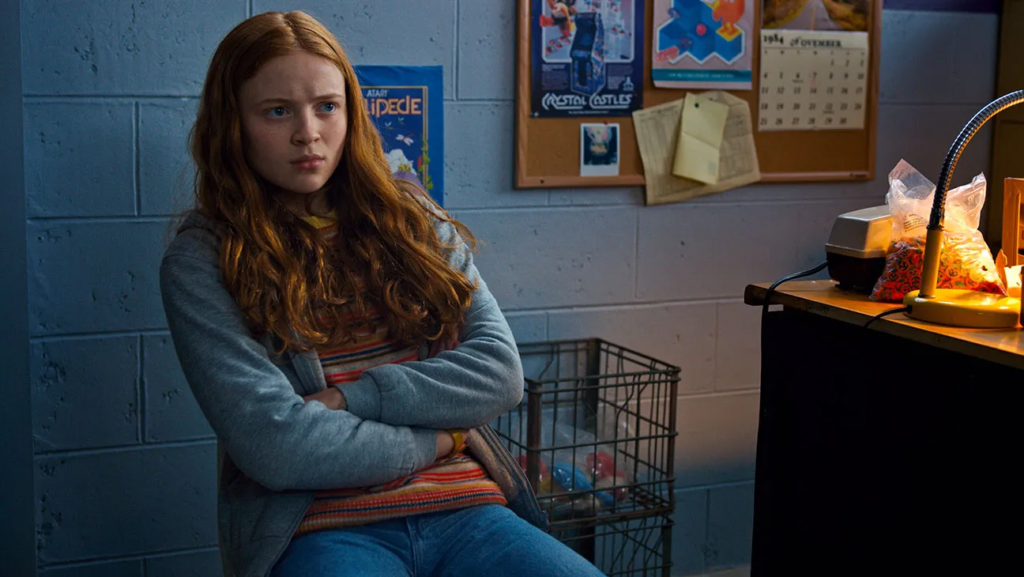
Max arrives in Hawkins in Season 2 with a skateboard, an attitude, and a stepbrother who makes her life hell.
“I’m MADMAX”
Her introduction is perfect. She beats Dustin’s Dig Dug high score at the arcade. The boys see “MADMAX” on the leaderboard and assume it’s a guy. Then this redheaded girl on a skateboard appears and immediately captures their attention.
Max is cool in a way the party isn’t. She skateboards. She’s good at video games. She doesn’t apologize for being better than boys at things boys are supposed to be good at.
That confidence immediately sets her apart. The party boys are awkward nerds embracing their outsider status. Max is an outsider by circumstance—she’s new to town—but she doesn’t act like she needs their approval.
Running From California
We learn quickly that Max isn’t in Hawkins by choice. Her mom remarried Billy’s dad. They moved from California to Indiana. She left friends, a life, everything familiar because adults made decisions without consulting her.
That resentment drives Max’s Season 2 characterization. She’s angry at being uprooted. Angry at her new family situation. Angry that nobody asked what she wanted.
Watch Sadie Sink’s micro-expressions in early Season 2 scenes. Max’s default face is guarded. Arms crossed. Ready to deflect or defend. That’s not just teenage attitude—that’s survival mechanism from someone who’s learned adults can’t be trusted to prioritize her wellbeing.
The Billy Problem
Billy Hargrove—Max’s older stepbrother—is abusive, controlling, and racist. He makes Max’s life miserable. Monitors who she talks to. Threatens violence if she disobeys. Creates an atmosphere of fear in their home.
The show reveals Billy’s own abuse by his father, which explains (but doesn’t excuse) his behavior. For Max, it means living in constant tension. Never knowing when Billy’s anger will explode. Walking on eggshells in her own home.
That context makes Max’s fierce independence make sense. When your home isn’t safe, you learn to be self-sufficient. You learn not to rely on adults for protection. You learn to hide vulnerabilities because showing weakness gets you hurt.
Max’s skateboarding isn’t just a cool hobby. It’s freedom. Mobility. The ability to leave when situations become unbearable.
Choosing Lucas
Both Lucas and Dustin pursue Max romantically in Season 2. She ultimately chooses Lucas—not because he “won” some competition, but because Lucas treated her like a person.
Lucas told her the truth about the Upside Down when everyone else wanted to keep her in the dark “for her protection.” He respected her intelligence and her right to know what she was getting involved with.
That respect formed the foundation of their relationship. Max doesn’t want to be protected like a fragile thing. She wants to be trusted as an equal.
The Snow Ball dance where they officially become a couple? That’s Max choosing connection despite her instinct to keep everyone at arm’s length. That’s huge character growth for someone who learned relationships mean vulnerability, and vulnerability means potential harm.
Finding Her Place and Losing Billy (Season 3)
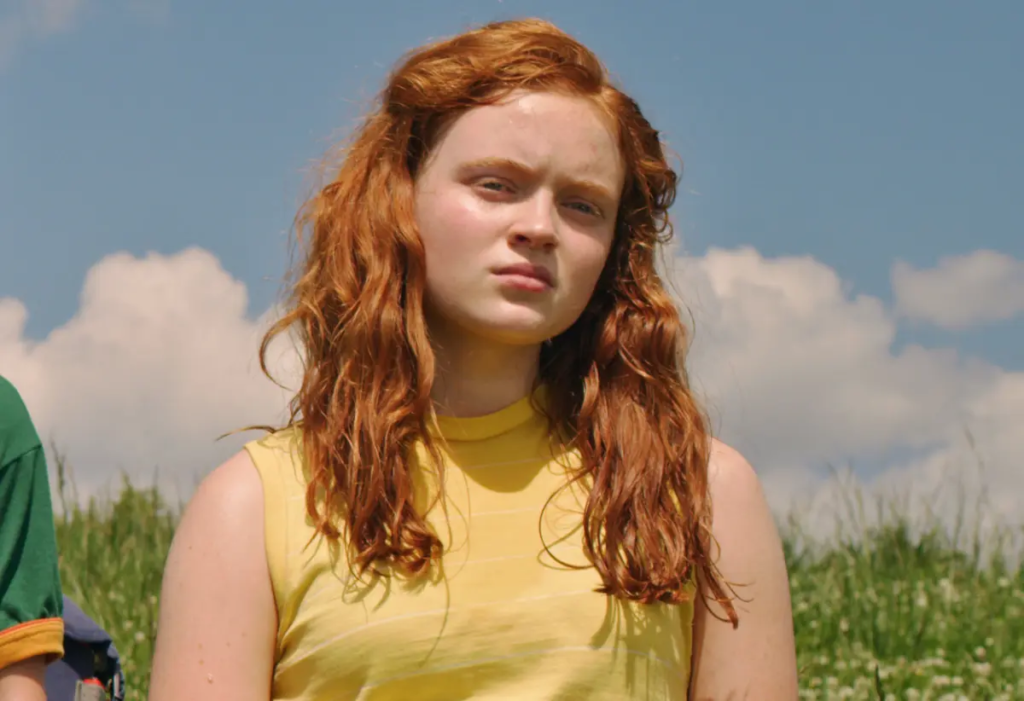
Season 3 shows Max integrated into the party. She’s not the new girl anymore—she’s one of them. And she’s become best friends with Eleven.
The El and Max Friendship
Max and Eleven’s friendship is everything.
El spent her life isolated in a lab, then hidden in Hopper’s cabin. She’s only known male relationships—Brenner (abusive father figure), Hopper (overprotective father), Mike (boyfriend). She has no framework for female friendship.
Max teaches her. Takes her shopping. Shows her how to have fun. Explains that boyfriends lying is not okay and dumping them is absolutely an option.
“I dump your ass” becomes El’s catchphrase because Max taught her autonomy. Taught her that relationships should add to your life, not control it.
For Max, having a close girlfriend matters too. She’s been the only girl in her friend group. She’s learned to relate to boys, to exist in male-dominated spaces. But having another girl to bond with? That’s different. That’s safe in ways nothing else has been.
Their friendship shows two traumatized girls teaching each other what healthy relationships look like. El learns independence. Max learns vulnerability. Both become stronger through their bond.
The Mind Flayer Takes Billy
Season 3’s horror centers on the Mind Flayer possessing people. One of its victims: Billy.
For Max, this is complicated trauma. Billy’s been awful to her. Abusive, controlling, scary. She has every reason to hate him.
But he’s also her stepbrother. Someone she’s lived with for years. And beneath his terrible behavior, there’s a person who’s also suffering—abused by his father, lashing out at those weaker than him in a cycle of trauma.
Watching Billy get possessed, seeing him fight the Mind Flayer’s control, then ultimately sacrifice himself to save her and El—it’s devastating for Max in ways she can’t easily process.
Billy’s Sacrifice
Billy dies saving Max and El from the Mind Flayer at Starcourt Mall. His final act is protecting his stepsister—the person he tormented for years.
Max watches him die. Sees the monster rip through him. Hears him apologize.
That moment—holding her dying stepbrother’s hand, crying over someone who made her life hell but still was someone—breaks something in Max that doesn’t heal.
Grief, Depression, and Vecna’s Curse (Season 4)
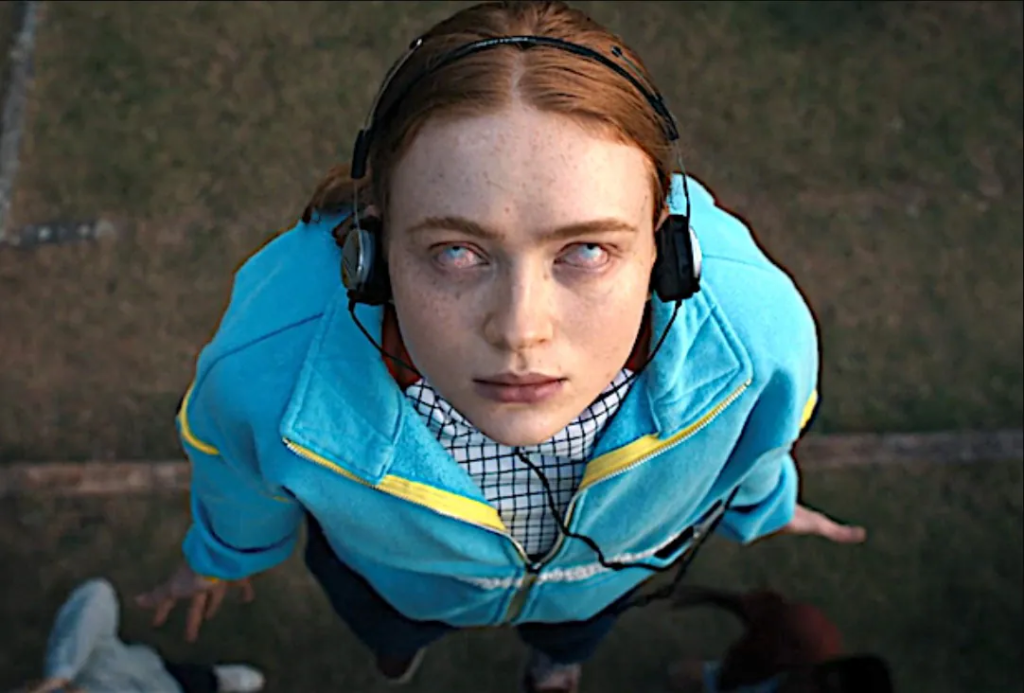
Season 4 opens months after Billy’s death. Max is not okay.
Trauma Written on Her Face
Watch Sadie Sink’s performance in Season 4’s opening episodes. Max is hollow. Going through motions. The fire that defined her in Seasons 2-3 is gone, replaced by numbness.
She’s written letters to everyone—Lucas, Dustin, Mike, Steve—saying goodbye. Not explicitly suicidal, but clearly someone who doesn’t expect to be around much longer.
The guilt is eating her alive. She’s relieved Billy’s dead. She hated him. But feeling relief about your stepbrother’s death creates cognitive dissonance she can’t reconcile.
Should she grieve someone who hurt her? Is she a bad person for being glad he’s gone? Can she mourn the brother he might have been while acknowledging the monster he actually was?
These questions have no easy answers. Max drowns in them.
Isolating Everyone Who Cares
Max pulls away from Lucas. Stops talking to the party. Avoids her friends.
Lucas keeps trying. Shows up at her trailer. Leaves notes. Refuses to let her push him away completely.
But Max has decided she’s too broken to be loved. That her damage will hurt everyone around her. That the kindest thing she can do is disappear.
This is textbook depression and PTSD. The belief that you’re poison. That people you care about are better off without you. That isolating yourself protects them from your darkness.
Vecna Chooses Her
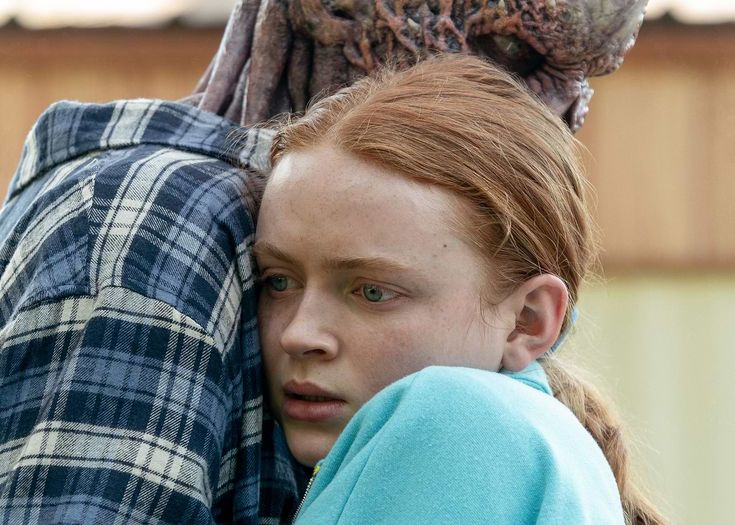
Henry Creel—One, Vecna, the ultimate Upside Down villain—feeds on trauma. He targets people consumed by guilt, grief, and self-hatred.
Max is a perfect victim. Her trauma is fresh. Her guilt is overwhelming. Her belief that she deserves punishment makes her vulnerable.
The curse manifests as physical symptoms first. Nosebleeds. Headaches. Visions of Billy and her mother. Her body literally manifesting her psychological pain.
Then the full visions start. Billy’s corpse taunting her. Her mother blaming her. The cemetery where Billy’s buried becoming her prison.
“I’m Not Ready to Die”
The graveyard scene where Vecna has Max is brutal. She’s surrounded by manifestations of her guilt. Billy’s grave opens. Hands pull her down.
She’s ready to give up. Ready to accept that maybe this is what she deserves.
Then Lucas’s voice breaks through. He’s reading her letter—the one where she said goodbye. Where she admitted she pushed him away because she was scared and hurting.
Hearing her own words, hearing Lucas’s love and refusal to let her go, Max makes a choice: “I’m not ready to die.”
That declaration—that refusal to surrender to trauma and guilt—is Max reclaiming her will to live.
Running Up That Hill
The “Running Up That Hill” sequence is one of the greatest scenes in television history.
Max trapped in Vecna’s lair. Lucas, Dustin, Steve, and Nancy desperately trying to reach her by playing her favorite song. The cassette player becomes a lifeline between dimensions.
Kate Bush’s “Running Up That Hill” kicks in. Max hears it. Memories flood back—not of Billy dying, but of living. Skateboarding with friends. Laughing with El. Dancing with Lucas. Being herself before grief consumed her.
She runs. Vecna chases. The music gives her strength. Her friends’ love gives her purpose.
She breaks through. Returns to her body. Collapses in Lucas’s arms, blind but alive.
That scene works because it’s not about defeating Vecna with power. It’s about Max choosing life over death. Choosing to believe she’s worth saving. Choosing to fight for herself with the same ferocity she’s fought for others.
The Climax: Broken But Alive
Season 4’s finale has Vecna targeting Max again—this time as a sacrifice to complete his plan.
Lucas stays with her. Tries to protect her. But Vecna’s too powerful.
Max’s body breaks. Bones snap. Eyes bleed. She dies in Lucas’s arms.
Then Eleven—using every ounce of power she has—reaches across dimensions and restarts Max’s heart.
Max survives. But she’s comatose. Blind. Her consciousness shattered across multiple dimensions.
The girl who ran up that hill to escape death is now trapped somewhere between life and the Upside Down.
Recovery and Choosing Simple Happiness (Season 5)
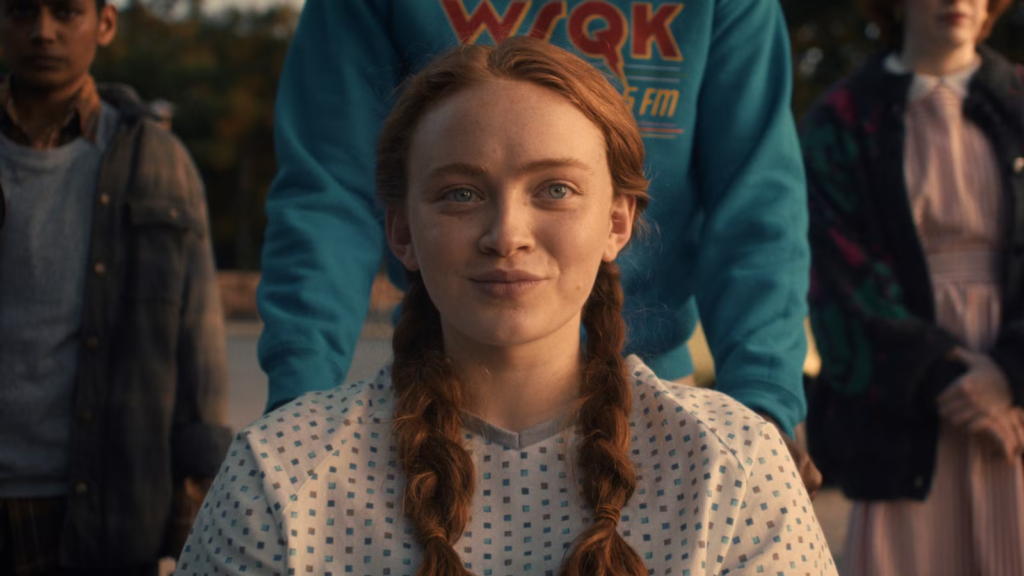
Season 5 opens with Max still comatose. Lucas reading to her. Talking to her. Refusing to give up hope.
Waking Up
Max wakes. The curse breaks. Her consciousness returns fully to her body.
The recovery isn’t instantaneous or magical. She’s dealing with blindness from Vecna’s attack. Physical trauma. PTSD layered on top of existing trauma.
But she’s alive. And more importantly, she’s chosen to keep living.
Healing Through Love
Lucas’s steadfast presence during her coma matters. Knowing he never left. Knowing he chose her over basketball championships and social status. Knowing he loved her when she couldn’t even respond.
That kind of unconditional love—not the romantic movie version, but the unglamorous showing-up-every-day version—teaches Max something crucial: she’s worth staying for.
Not because she’s powerful or useful or has something to offer. Just because she’s Max. And that’s enough.
The Small Town Epilogue
The series ends with Max and Lucas settled in a small town. No grand adventures. No apocalyptic stakes. Just two people building a quiet life together.
Max is skating again. Not running from trauma this time—just enjoying movement and freedom because she can.
They graduated together. They chose each other. They chose peace.
For Max—who spent years running from pain, from California to Hawkins, from relationships to isolation—choosing to stay is the ultimate character development.
She’s not running anymore. She’s home.
Max’s Relationships: Learning to Trust
Max and Lucas: Love That Survives Everything
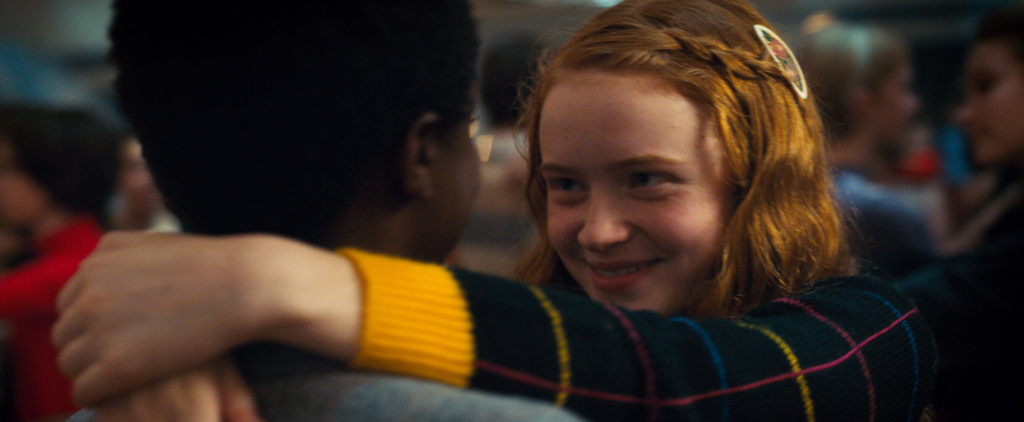
Max and Lucas’ relationship is the show’s most realistic romance because it’s hard. They fight. They break up and make up. They struggle to communicate.
But they keep choosing each other.
Lucas sees through Max’s tough exterior to the scared, hurting person underneath. Max sees Lucas’s steady loyalty and learns that not everyone leaves.
Their relationship teaches both of them about real love: it’s not about grand gestures. It’s about showing up consistently, even when it’s difficult.
Max and Eleven: The Sisterhood
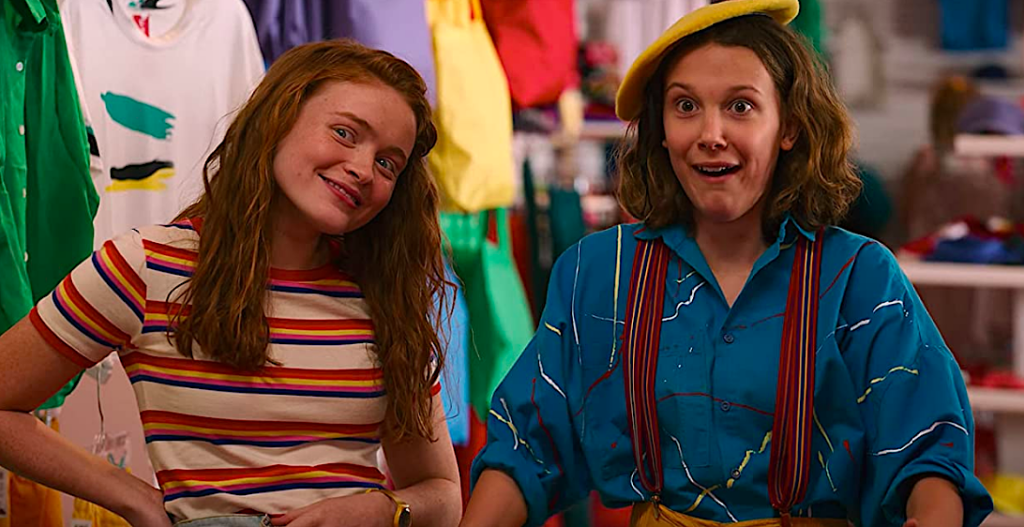
Max and El’s friendship is pure joy in a dark show.
They teach each other. Max shows El how to be independent and have fun. El shows Max that vulnerability isn’t weakness.
Their bond also represents something important: female friendships as healing spaces. They don’t compete for male attention. They build each other up. They protect each other fiercely.
When El fights desperately to save Max from Vecna, it’s because Max gave her the gift of normalcy. Taught her about being a teenage girl instead of just a weapon.
Max and Billy: Complicated Grief
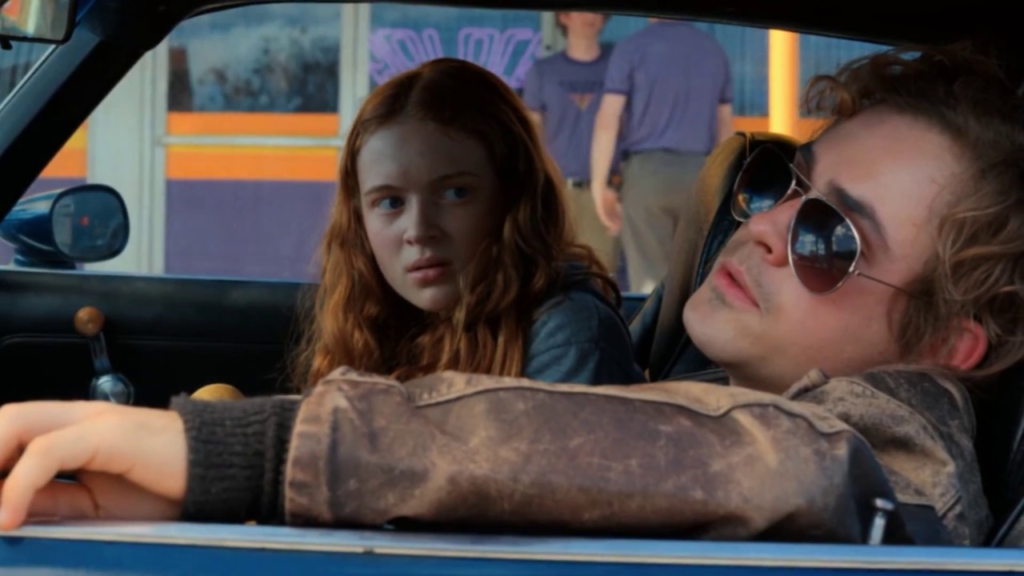
Billy was terrible to Max. Abusive, controlling, frightening.
But his death still wrecked her. Because complicated relationships create complicated grief.
You can hate someone and still mourn them. You can be relieved they’re gone and still feel guilty about that relief. You can grieve the person they might have been while acknowledging the harm they actually caused.
Max’s Season 4 arc validates that complexity. You don’t have to forgive your abuser to be destroyed by their death. You don’t have to have loved someone to carry trauma from losing them.
Max and Her Mother: Absent Parent
Max’s mom is largely absent from the show—working multiple jobs, struggling with her own issues, unable to provide the emotional support Max needs.
That absence shapes Max’s self-reliance. She learned young that adults won’t save her. She has to save herself.
It also intensifies her guilt when Billy dies. Her mom’s grief is visible and consuming. Max sees her mother’s pain and internalizes: I should have saved him. I should have been a better sister. His death is partially my fault.
None of that is true. But children of dysfunctional families often carry inappropriate guilt for adult problems.
Max’s Trauma: Depression and PTSD Portrayed Honestly
Season 4’s handling of Max’s mental health deserves specific recognition.
Depression That Looks Real
Max’s depression in Season 4 isn’t romanticized or aestheticized. It’s not pretty crying with perfect makeup.
It’s numbness. Isolation. Writing goodbye letters. Going through daily motions without actually living.
Sadie Sink’s performance captured depression’s hollowness. The way Max’s face barely registers emotion. How her voice flattens. The physical heaviness in her movements.
That’s what depression actually looks like. Not dramatic breakdowns—just absence. The slow erasure of the person you used to be.
PTSD Symptoms
The show also portrayed PTSD accurately:
- Hypervigilance (Max constantly checking surroundings)
- Flashbacks (Billy’s death replaying)
- Avoidance (pushing away people and places that remind her of trauma)
- Physical symptoms (headaches, nosebleeds)
- Emotional numbing (inability to feel positive emotions)
- Survivor’s guilt (belief she should have died instead)
These aren’t just plot devices. They’re realistic trauma responses that many viewers recognized from their own experiences.
Vecna as Metaphor for Suicidal Ideation
Vecna’s curse works as a metaphor for depression and suicidal thoughts:
The curse targets people with trauma and guilt, telling them they deserve punishment. It isolates them from support systems. It makes them believe everyone would be better off without them.
Max breaking free by choosing “I’m not ready to die” mirrors the moment when someone battling suicidal ideation decides to reach out for help instead of surrendering.
The “Running Up That Hill” sequence represents externalized internal struggle—the fight between the part of you that wants to give up and the part that wants to survive.
That’s why the scene resonates so powerfully. It visualizes a psychological battle many people face but can’t easily articulate.
Recovery Isn’t Linear
Max waking from her coma doesn’t mean she’s “fixed.” She’s still dealing with physical disability (blindness), trauma, and grief.
The show respects that healing isn’t instant. Recovery takes time. You can survive and still be struggling.
That’s a more honest portrayal than magically curing trauma through love or willpower.
Sadie Sink’s Performance: Star-Making Work
Let’s talk about what Sadie Sink accomplished playing Max Mayfield.
Starting at 15, Becoming Extraordinary
Sink was fifteen when she joined Stranger Things in Season 2. She had previous experience (American Odyssey, Broadway’s Annie) but Max was her breakout role.
Her Season 2 performance established Max as confident and guarded—someone performing toughness to hide vulnerability.
By Season 4, Sink was delivering career-defining work. The emotional range required for Max’s breakdown, possession, and recovery demanded skills many adult actors struggle with.
The Physical Acting
Sink’s physicality as Max is remarkable:
Skateboarding: She learned to skateboard convincingly, making Max’s skating scenes look natural rather than stunt-doubled.
The Vecna possession: The physical contortions, the terror, the way her body moved when partially controlled by something else—that’s skilled physical performance.
Post-coma Max: Portraying blindness and physical trauma required Sink to completely change how Max moved and interacted with the world.
The Emotional Depth
Watch Sink’s face during quiet moments:
- Max listening to music in her trailer, disconnected from everything
- The graveyard scene where she decides to fight for her life
- Waking from the coma and processing everything she’s lost
- Skating again in the epilogue, finally at peace
Sink communicated Max’s interior life through subtle choices—microexpressions, body language, vocal tone shifts. That’s sophisticated acting at any age, let alone from a teenager.
The “Running Up That Hill” Scene
This sequence required Sink to:
- Act against green screen (Vecna’s lair doesn’t exist)
- Coordinate movement with music timing
- Portray terror, determination, and breakthrough simultaneously
- Make the audience believe Max was genuinely fighting for her life
She nailed every element. That scene works because Sink sold Max’s desperation and triumph completely. You believe she’s running through a nightmare. You believe she’s choosing life over death.
Industry Recognition
Sink received widespread acclaim for Season 4:
- SAG Award nomination
- Critics Choice nomination
- MTV Movie Award winner
- Universal praise from critics and audiences
That recognition was earned. Sink elevated Max from supporting character to emotional anchor through sheer performance excellence.
Why Max Mayfield Matters
Max represents several things that don’t get portrayed enough in media:
The Girl Who’s “Too Much”
Max is angry. Intense. Doesn’t soften herself for others’ comfort.
Society tells girls to be pleasant. Accommodating. Easy to be around.
Max rejects all that. She’s prickly when she wants to be. She doesn’t apologize for taking up space or having opinions.
That representation matters. Girls watching Max learn: you don’t have to make yourself smaller to be loved.
Surviving Doesn’t Mean Winning
Max’s story doesn’t end with triumphant victory. She survives, but she’s changed. Damaged. Dealing with disabilities and trauma.
That’s a more honest portrayal than “hero defeats evil and everything’s perfect now.”
Sometimes you win and you’re still broken. Sometimes survival is the victory, even if it doesn’t look like what you expected.
Depression Can Be Defeated (But Not Alone)
Max’s Season 4 arc shows that depression and suicidal ideation can be fought and overcome—but not through willpower alone.
She needed her friends. Needed Lucas refusing to let her go. Needed music connecting her to memories of joy. Needed El literally reaching across dimensions to pull her back.
The message: if you’re struggling, reaching out isn’t weakness. Connection saves lives. You can’t heal alone.
Complicated Grief Is Valid
Max’s guilt over feeling relief about Billy’s death validates something people rarely discuss: you can be glad your abuser is gone and still be traumatized by their death.
Those feelings aren’t contradictory. They’re both real. Both valid.
Max’s journey says: you don’t have to forgive people who hurt you. You don’t have to perform grief you don’t feel. And feeling guilty about being relieved doesn’t make you a bad person.
My Take After Watching Max’s Journey
I’ve spent years analyzing Max Mayfield’s character arc. Watching Sadie Sink transform her from “new girl” to emotional centerpiece. Rewatching the “Running Up That Hill” sequence more times than I can count.
And here’s what strikes me most about Max’s story:
She was never the chosen one. Never had powers. Never was special in any supernatural way.
Max was just a girl. Dealing with abuse. Processing trauma. Battling depression. Learning to trust people despite every reason not to.
Her heroism wasn’t fighting monsters—though she did that too. Her heroism was choosing to live when dying felt easier.
That’s the bravest thing anyone can do. Not saving the world from interdimensional threats. Saving yourself from your own darkness.
Max Mayfield fought Vecna with nothing but the will to survive and memories of joy. She won not by being powerful, but by refusing to surrender.
After four seasons of watching Max run—from California, from relationships, from pain—Season 5 showed her finally stopping. Finally staying. Finally believing she deserves the peace she fought so hard to reach.
That’s not just good character development. That’s hope for everyone who’s ever felt broken beyond repair.
Max survived. So can you.
Max Mayfield: Complete Journey Explained
From runaway skater to Vecna’s target to survivor choosing peace—Max Mayfield’s journey proves that sometimes the greatest victory isn’t defeating the monster outside, but the one inside your own head.
The Actress Who Brought Max to Life
[my_movie_db id=1590797 type=person]
About It’s Netflix Nerd
This deep character analysis was brought to you by It’s Netflix Nerd, where I’ve been obsessing over Stranger Things since Max first beat Dustin’s Dig Dug score. I break down every character arc, analyze every thematic choice, and help you understand why these stories matter beyond the monsters and special effects.
Want more Stranger Things character breakdowns? Check out It’s Netflix Nerd for complete analyses built on years of actually caring about these characters’ journeys.