

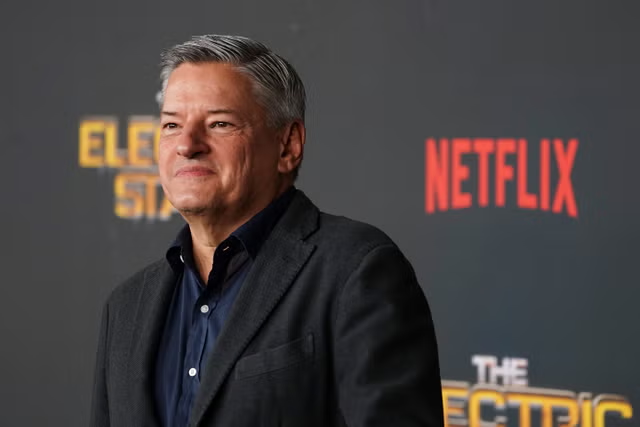
In a pivotal week for Netflix’s attempted purchase of Warner Bros. Discovery studios and streaming assets, including Max and HBO, co-CEO Ted Sarandos has stepped into the spotlight with an aggressive public relations effort aimed at winning over shareholders and countering a rival bid from Paramount and Skydance Media.
TL;DR
Netflix co-CEO Ted Sarandos launched a major public push this week to secure approval for its $82.7 billion offer to acquire Warner Bros. Discovery’s studios and streaming assets (including Max and HBO). As WBD shareholders prepare to vote, Sarandos countered rival bidder Paramount Skydance’s claims and pledged commitments to theatrical distribution, drawing both support and opposition from industry figures.
The proposed deal, valued at $82.7 billion, places Netflix at the center of one of the most consequential corporate battles in recent entertainment history. With a shareholder vote scheduled for next week, Sarandos is attempting to cut through competing narratives, reassure industry partners, and reassure regulators while fending off mounting opposition.
A Short Negotiation Window and a Public Backlash
Netflix and WBD granted Paramount a seven-day waiver to negotiate a potential rival bid, a window that expires February 24, 2026. Sarandos, however, accused Paramount of sowing confusion about the merits and risks of the offer in statements meant to influence shareholders.
In statements, he described their tactics as designed to “flood the zone with uncertainty,” a strategy he claims is intended to distract and pressure investors rather than focus on the substance of the deal.
As the shareholder vote approaches, both companies have ramped up communications. Netflix’s campaign has relied heavily on direct messaging to institutional and retail investors about long-term value, theatrical commitments, and competitive positioning.
Theatrical Windows, Distribution and “More Content”
A centerpiece of Netflix’s public messaging has been a commitment to preserve and strengthen theatrical distribution for Warner Bros. films after the acquisition. Sarandos pledged a 45-day exclusive theatrical window for Warner Bros. releases following the deal, asserting that the combined company would “win opening weekend box office” and reinforce rather than diminish the theatrical experience.
This commitment is designed to counter fears that Netflix’s streaming first reputation would undercut big screen releases. Sarandos argued that Netflix would leverage Warner Bros.’ established theatrical distribution network — which has historically generated significant revenue — rather than marginalize it.
He also promised that the merger would lead to “even more” theatrical releases than under the status quo, positioning Netflix as a steward of content volume and diversity rather than a cut-first actor. This responds directly to critics who worry the acquisition will shrink film output, especially following critic complaints about consolidation in the industry.
Sarandos frequently referenced the Walt Disney Company-21st Century Fox merger as a cautionary tale, noting that Disney’s absorption of Fox assets led to a reduction in annual theatrical releases from “33 to 20,” a statistic he frames as a warning against consolidation that curtails creative risk and release volume.
Paramount’s Counterattack and Shareholder Tensions
Paramount and Skydance have countered Netflix’s narrative by positioning their bid as more disciplined and focused on long-term value protection for shareholders. Paramount executives have critiqued the financial structure of Netflix’s offer, characterizing it privately as closer to a leveraged buyout that could risk heavy cuts to content output and cost structures.
In internal communications to WBD shareholders, Paramount has suggested that Netflix’s projections overstate growth potential while understating regulatory hurdles and financing complexities.
Sarandos has responded forcefully, emphasizing Netflix’s track record as a creator and distributor of global content across both streaming and increasingly theatrical experiences.
Industry Pushback
Beyond the shareholder battle, several established voices in Hollywood have raised concerns about the merger’s impact on the broader entertainment ecosystem.
Director James Cameron wrote to lawmakers describing the deal as “disastrous for the theatrical business,” arguing that consolidating two of the industry’s most powerful content engines under one banner could weaken competition and reduce the diversity of films in theaters.
Similarly, representatives for chains such as Cinema United have warned publicly that reduced film output could lead to job losses, decreased attendance, and the closure of smaller theaters, especially in secondary markets. Their statements reflect long-standing industry anxieties about consolidation, streaming encroachment, and the erosion of the theatrical ecosystem.
Complicating matters further is ongoing regulatory review. The United States Department of Justice continues to evaluate the prospect of Netflix acquiring assets that include one of the major legacy Hollywood studios, raising questions about antitrust implications and competitive balance.
Sarandos’ Case to Shareholders
So far, Sarandos’ strategy has been to frame Netflix as the best steward for Warner Bros. Discovery’s studios and content portfolio. That message includes several key themes:
Theatrical Preservation: Netflix will protect and expand the theatrical reach of Warner Bros. films while incorporating digital strength.
Global Content Leadership: The combined company will be one of the world’s largest entertainment producers, capable of delivering hit content across streaming, theatrical, and franchise formats.
Creative Continuity: Sarandos has emphasized Netflix’s long term investments in creative talent and global storytelling that respects both legacy franchises and new voices.
The CEO has also pointed to Netflix’s strong recent performance in producing critically acclaimed theatrical releases following multi platform rollouts, suggesting the company understands the nuances of balancing streaming prominence with box office ambitions.
At Stake: Shareholder Vote and Industry Future
With the shareholder vote looming, the next few days could determine the future of two of the world’s largest entertainment companies. The outcome will influence where billions of dollars of content assets reside, how studios approach theatrical windows in the digital era, and how investors evaluate consolidation in media.
For Netflix, winning consent from WBD shareholders would mark one of the boldest strategic moves in its history, transforming it from a streaming first platform into a diversified media powerhouse with roots in Hollywood’s traditional infrastructure.
For industry observers, the developing drama represents more than a financial transaction. It signals fundamental questions about how content is financed, distributed, valued, and competed over in a rapidly changing global media landscape.
Check out It’s Netflix Nerd for our latest reviews, updates, release news, and information about Netflix movies and series.