
When the Stranger Things finale ended, something interesting happened online. Not debates about the ending. Not theories about spinoffs. Not even nostalgia posts.
The loudest reaction was simpler.
“Why don’t we have a real Stranger Things Video game yet?”
That question started popping up everywhere within hours. Reddit threads. Discord servers. Long comment chains under finale reviews. And the phrasing was always the same. Not a mobile game. Not VR. A proper AAA experience.
That response tells me something important. The appetite for Stranger Things didn’t disappear with the finale. It shifted. Viewers didn’t want more episodes. They wanted agency. They wanted to move through Hawkins themselves.
And Netflix, somehow, still doesn’t seem to understand that.
Fans Aren’t Asking for a Gimmick
What’s striking is how consistent the fan request has been over the years. People aren’t arguing over genre. They’re imagining presence.
Exploring Hawkins without a timer. Crossing into the Upside Down by choice. Solving puzzles instead of watching characters solve them. Letting the music, the environment, and the silence do the storytelling.
This isn’t a fringe idea. It’s the natural next step for a world built on atmosphere.
Stranger Things was never just plot-driven. It was mood-driven. That’s why it fits gaming so well.
What Netflix Keeps Offering Instead
And yet, Netflix’s response has been the same pattern repeated.
Mobile games that feel disposable. Locked behind Netflix accounts. Designed to exist quietly inside an app, not loudly in gaming culture.
VR experiences that look interesting but reach only a fraction of the fanbase. Expensive hardware. Short runtimes. No long-term engagement.
None of these answer the actual desire. They avoid it.
The underlying issue is obvious to anyone watching closely. Netflix treats games as a feature. Fans treat them as worlds.
Proof the Concept Already Works
What frustrates me most is that Stranger Things already succeeded in gaming — just not under Netflix’s control.
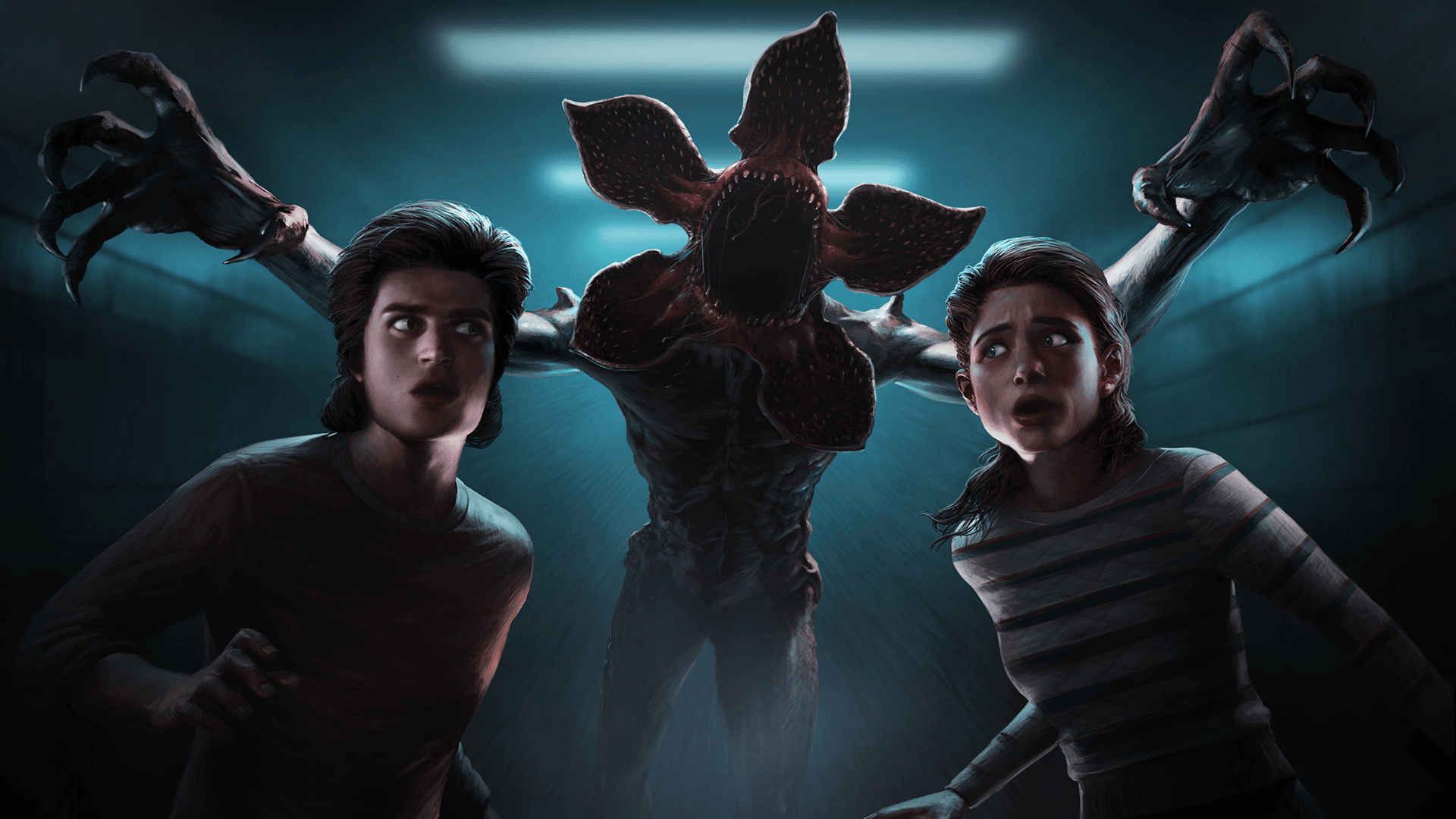
When Dead by Daylight introduced Stranger Things characters and locations, the response was immediate. Players embraced it. The Upside Down translated naturally into interactive horror. The Demogorgon worked because players weren’t watching it. They were running from it.
That success wasn’t accidental. It proved the license fits gameplay.
If a multiplayer horror title can integrate Stranger Things effectively, a dedicated AAA game could do far more.
This Is the Window Netflix Is Ignoring
The timing couldn’t be better. The main series has concluded. The franchise isn’t over. Interest is high, but expectations are open.
This is when Hogwarts Legacy changed how people viewed Harry Potter. Not by extending the films, but by letting fans live in the world on their own terms.
Stranger Things deserves the same treatment.
An open-world or narrative-driven game wouldn’t compete with the show. It would preserve it.
What Netflix Is Actually Missing
From where I stand, Netflix is overlooking three things.
Longevity. A strong game keeps a franchise alive long after episodes stop dropping.
Immersion. No medium lets fans inhabit Hawkins the way a game could.
Respect. Treating gaming as storytelling signals confidence in the world you’ve built.
Right now, Netflix signals the opposite.
Why This Still Matters
Fans aren’t asking for more content. They’re asking for a deeper relationship with a world they already love.
Stranger Things taught us how to fear empty hallways, flickering lights, and quiet bikes at night. A great game could let us feel that fear firsthand.
Until Netflix recognizes that desire, they’ll keep missing the opportunity that’s been sitting in front of them since Season 1.
And fans will keep asking the same question.
Why won’t you let us play it?
Check out It’s Netflix Nerd for our latest reviews, ending explanations, and recommendations.