

Nine years.
That’s how long we’ve been watching these kids fight monsters in Hawkins, Indiana. From 2016 to 2025. From middle schoolers to adults. From innocent D&D campaigns to actual interdimensional warfare.
And now it’s over.
The Stranger Things Season 5 finale didn’t just close the gate. It gave every single character—major and minor—a proper ending. Individual journeys. Personal triumphs. The kind of character work that reminds you why this show mattered in the first place.
Let me break down where everyone landed. Because after nine years of investment, we deserve to understand how each person found their peace (or didn’t).
The Core Party: Where Heroes Become Legends
First we should talk about the core party.
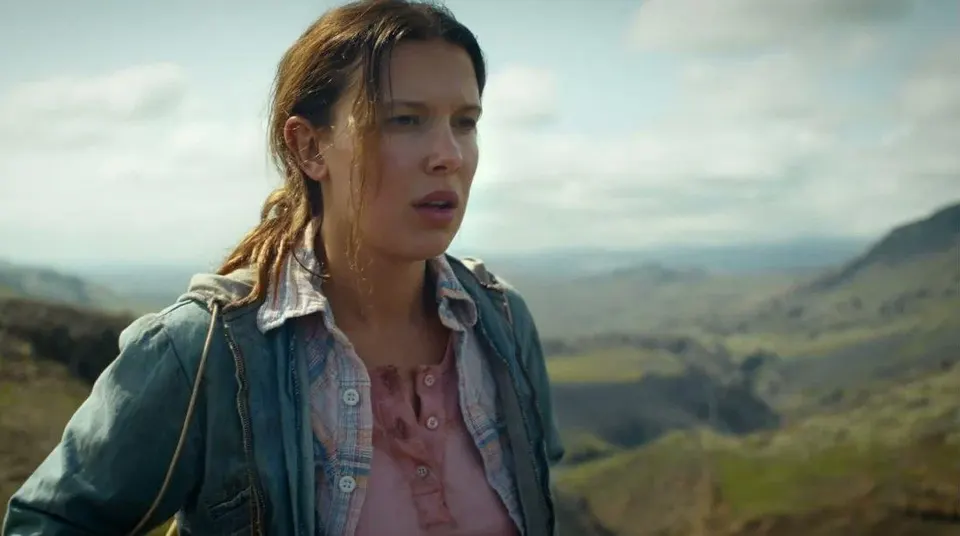
Eleven Chose to Disappear
Explore Eleven’s Full Character Analysis →
El’s final battle with Vecna was everything we needed it to be. Psychic realm combat. Raw power meeting raw hatred. Her impaling him with pure telekinetic force while protecting everyone she loves.
Then the explosion. The sealing of the Upside Down. And El seemingly consumed in the blast.
Except she wasn’t.
Mike’s D&D narration reveals the truth: Kali’s final illusion hid El’s escape. She’s alive, at a secluded waterfall somewhere, finally free from labs and prophecies and government organizations that wanted to weaponize her.
The lab experiment became humanity’s quiet guardian by choosing to disappear. By letting everyone think she died so she could finally just… be Jane.
From that shaved-head kid in Season 1 who barely understood friendship to a woman who saved the world and walked away—that’s El’s arc. Love outpowered every gate. Every monster. Every threat.
Millie Bobby Brown played this character for nine years. Watching El find peace feels like watching your younger sister finally escape an abusive home.
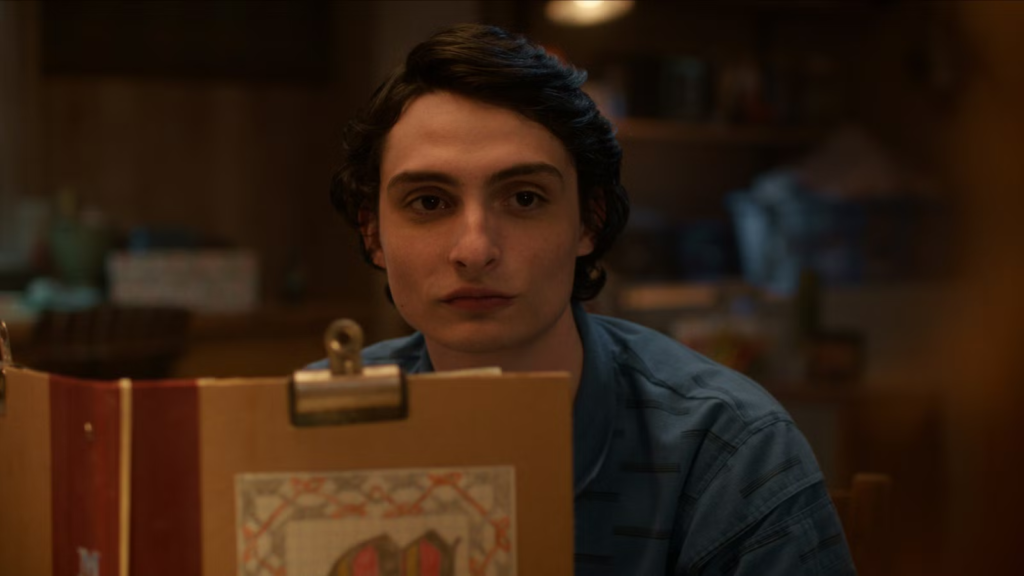
Mike Wheeler: The Storyteller Who Found His Voice
Explore Mike Wheeler’s Full Character Analysis →
Mike graduated Hawkins High. Shocker, right?
But more importantly, he became their chronicler. A writer. The keeper of their story.
That final basement D&D session where he narrates to Holly’s new party? That’s Mike understanding what his real power always was. Not fighting monsters directly. Not leading through charisma or strength.
His power was the story itself. Making people believe. Making adventures matter. Turning trauma into legend so the next generation knows what’s possible.
Finn Wolfhard’s performance in the epilogue captures something beautiful—Mike finally owning his voice after years of insecurity about whether he mattered as much as El or Will or the others.
He mattered. He always mattered. Because someone has to remember. Someone has to tell it right.
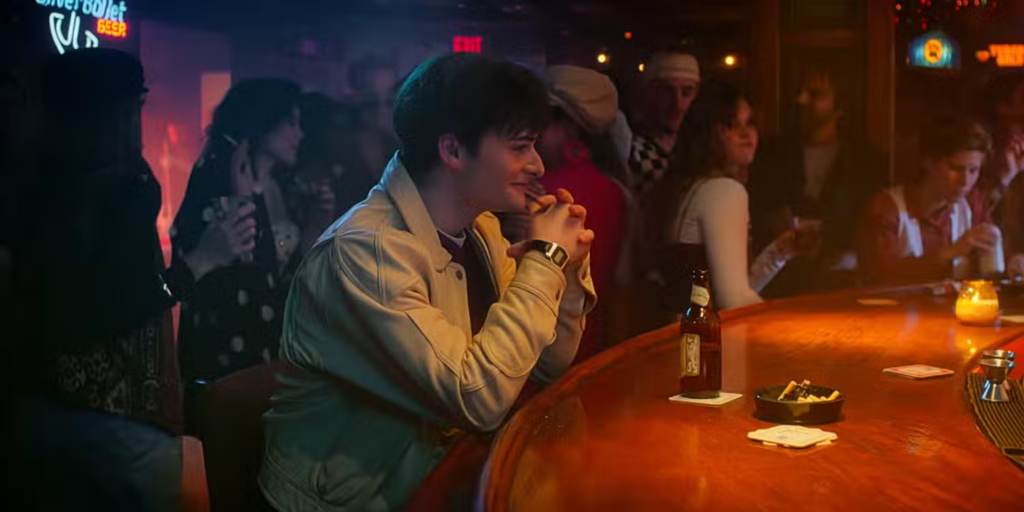
Will Byers Moved to NYC
Explore Will’s Full Character Analysis →
Will spent Season 1 trapped in the Upside Down. Seasons 2-4 carrying that connection like a curse. Every time we thought he was free, that place pulled him back.
Season 5? He weaponized it.
Will trapped Vecna psychically using abilities grown from trauma. Turned his nightmare into their advantage. Used the thing that haunted him to save everyone else.
Then he graduated. Moved to NYC’s West Village. Art school. New romance. Freedom.
Noah Schnapp closed out the “abducted kid” archetype with complete empowerment. Will’s finale sketch—shown briefly in the epilogue—symbolizes reclaimed creativity over constant fear.
He’s not the missing boy on the poster anymore. He’s the artist who painted his own future despite everything trying to keep him in the dark.
Dustin Henderson Honours Fallen Kings
Explore Dustin Henderson’s Full Character Analysis →
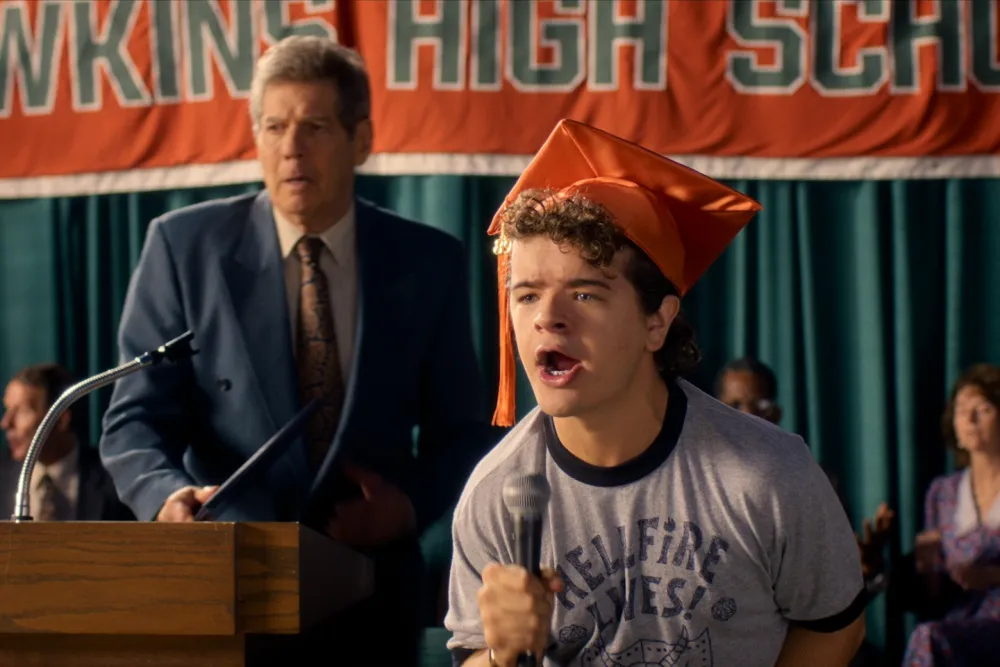
Dustin’s valedictorian speech is the most Dustin thing ever. Chaotic tribute to Eddie Munson. Confetti exploding everywhere. The Hellfire Club cheering from the audience for their fallen king.
Teachers probably had heart attacks. Parents definitely complained.
But Dustin didn’t care. Eddie mattered. Eddie sacrificed everything. And if Dustin’s last official act at Hawkins High was making sure nobody forgot that? Perfect.
He’s college-bound now but staying close enough for Steve adventures. Because some friendships don’t end just because you graduate.
Gaten Matarazzo’s Dustin embodied geek friendship’s endurance for nine years. The kid who lost his teeth, found his confidence, and proved brains beat bats every single time.
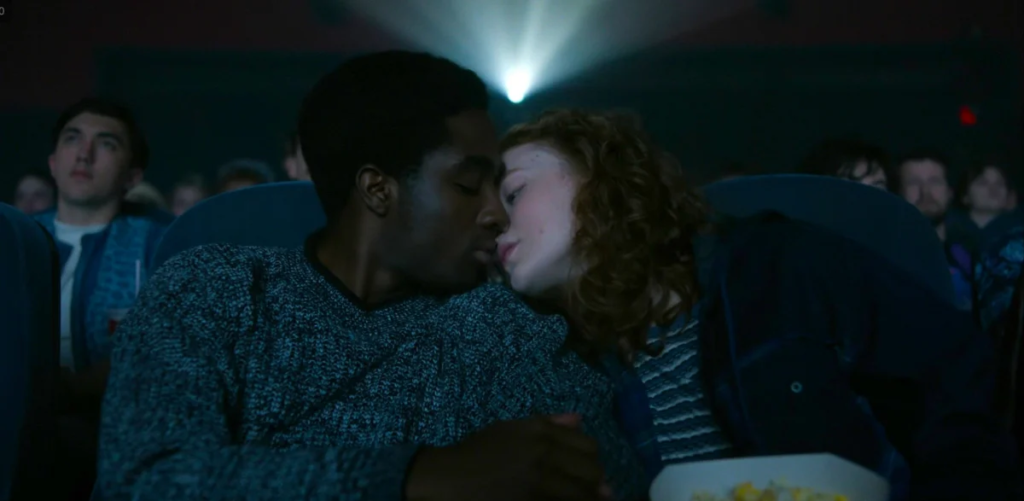
Lucas Sinclair: The Heart Over Everything Choice
Explore Lucas’ Full Character Analysis →
Lucas rejected basketball stardom. Turned down scholarship opportunities. Chose loyalty to Max and friends over external validation.
That’s his Season 5 growth in one sentence.
Caleb McLaughlin played Lucas as the steady hero who valued love over trophies even when the world was literally ending. The one who stayed grounded when everyone else was ascending or descending into chaos.
Lucas graduated with Max. They settled in some small town we never hear the name of. Quiet life. Lasting love.
After everything they survived, that simple choice—us over success—hits harder than any monster fight.
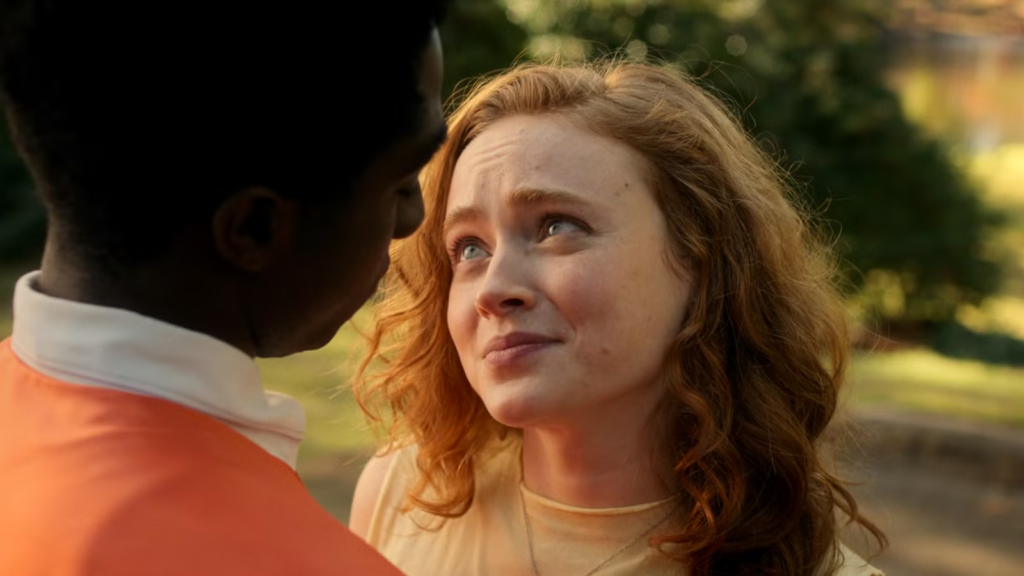
Max Mayfield: Breaking Every Curse
Explore Max’ Full Character Analysis →
Max woke up from her Vecna-induced coma.
Let that sink in for a second. After Season 4’s devastating finale left her broken, after we spent all of Season 5 wondering if she’d ever truly recover—she woke up. Healed. Whole.
The epilogue shows her skating freely with Lucas. Curse shattered. Spirit unbroken.
Sadie Sink’s emotional range across five seasons—from angry stepkid to Vecna victim to defiant survivor—is legitimately awards-worthy. Max’s recovery is the finale’s warmest hug because it proves that sometimes the good guys win completely.
Not every victory has to be bittersweet. Sometimes people just heal.
The Older Siblings: Finding Their Own Paths
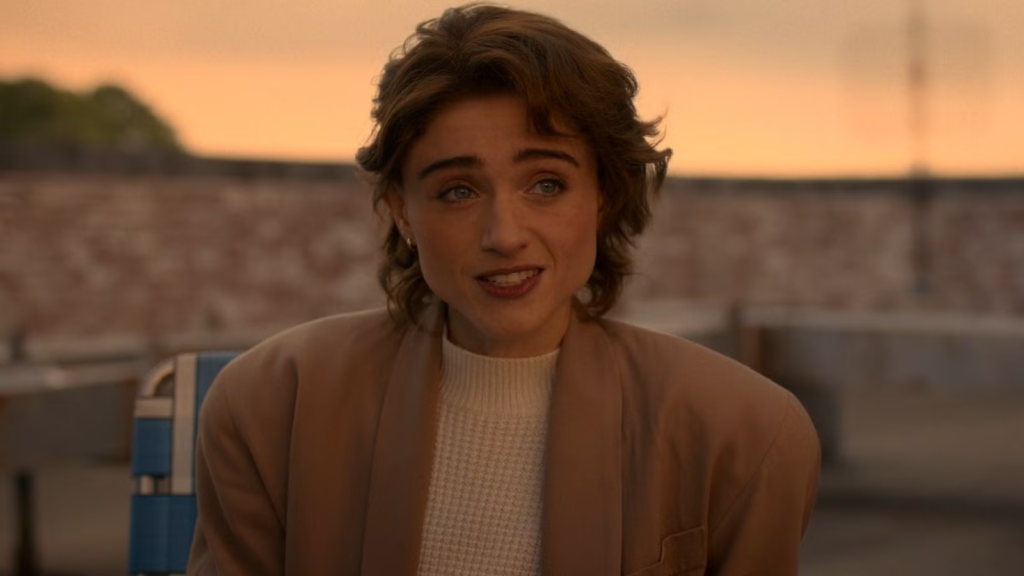
Nancy Wheeler: Trading Shotguns for Bylines
Explore Nancy’ Full Character Analysis →
Nancy ditched Emerson College’s predetermined path. She’s at The Hawkins Herald now, investigating Upside Down truths professionally.
Natalia Dyer’s fierce journalist spent five seasons loading shotguns and planning battle strategies. Now she’s loading her keyboard with actual journalism, chasing stories instead of monsters.
Though honestly, after reporting on actual interdimensional rifts, regular news probably feels boring.
“Local town council debates parking ordinances” doesn’t hit quite the same after “Psychic teen closes hell portal.”
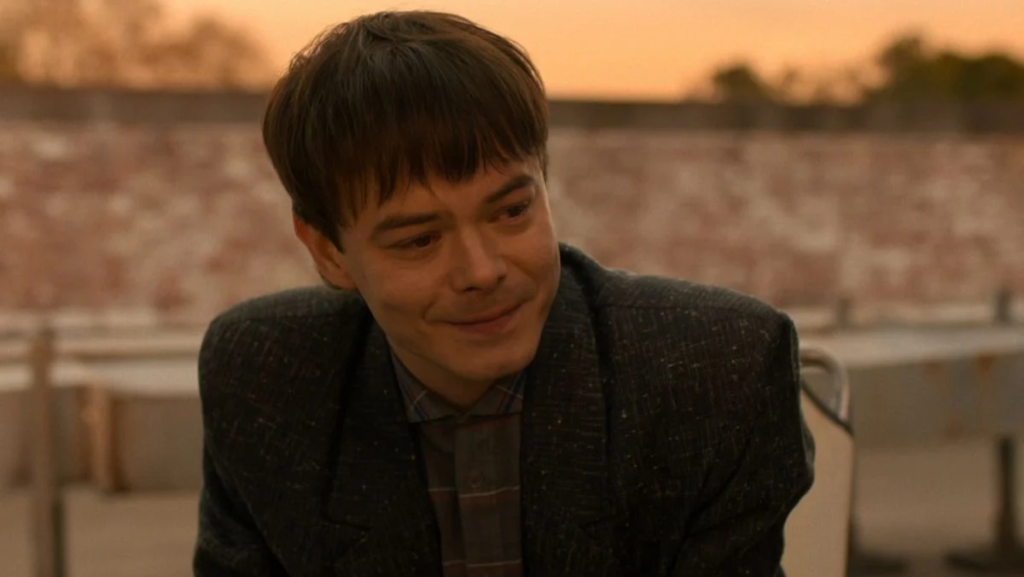
Jonathan Byers: The Camera Finally Points Where He Wants
Explore Jonathan’ Full Character Analysis →
Jonathan’s at NYU making The Consumer—an anti-capitalist film reflecting his working-class roots.
Charlie Heaton’s quiet Byers brother spent the entire series being the responsible one. Taking care of Will. Taking care of his mom. Sacrificing his own dreams for family survival.
The epilogue shows him finally pursuing his vision. The camera that documented everyone else’s trauma now captures his own artistic statement.
It’s a small detail. But for Jonathan, that’s everything.
Steve Harrington: The King Who Became a Coach
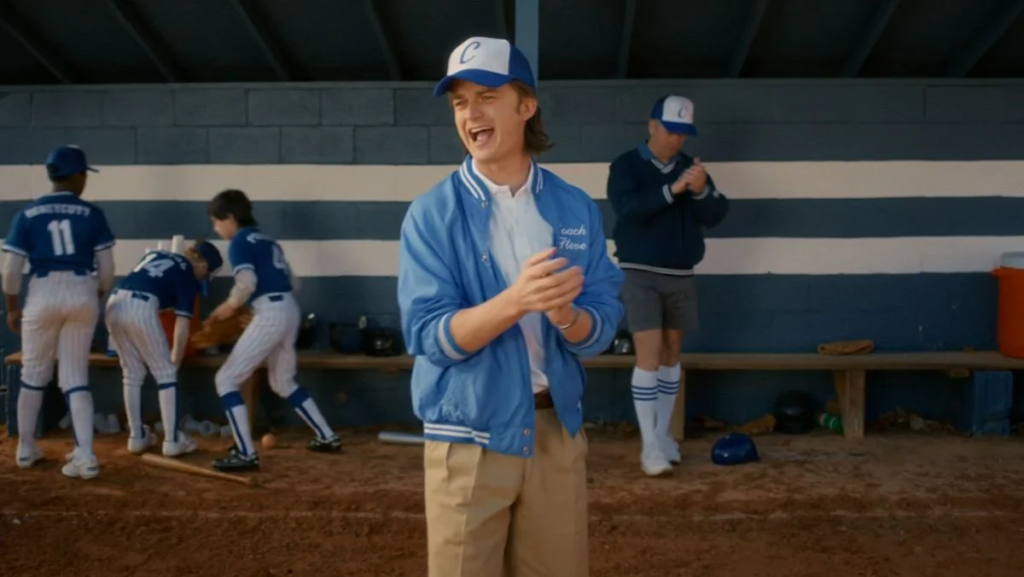
Explore Steve “The Hair” Harrington’s Full Character Analysis →
Steve bought Eddie Munson’s house.
He’s the Hawkins High baseball coach now. And the sex-ed teacher. Because of course Steve Harrington is teaching teenagers about safe sex while hitting fungos during practice.
Joe Keery’s charm turned “King Steve” into the ultimate community dad. The guy who started as the popular jerk became the person who stayed in Hawkins to mentor the next generation.
No college. No big career. Just roots. Purpose. Being exactly where he’s supposed to be.
The babysitter became the permanent guardian. And honestly? That’s the perfect ending for Steve.
Robin Buckley: Thriving Despite Everything

Explore Robin’s Full Character Analysis →
Robin’s at Smith College killing it academically. Monthly meetups with Steve, Nancy, and Jonathan keep the bond alive despite distance.
There’s a brief mention of Vickie being captured by military forces during the finale chaos—a darker thread the show doesn’t fully resolve. But Robin’s pushing forward anyway.
Maya Hawke’s witty outcast navigated queer love and literal apocalypses while maintaining her humor. The girl who came out in a mall bathroom while Russians hunted them ended up thriving at an elite women’s college.
Sometimes survival sharpens your humor instead of breaking your heart.
The Adults: Earning Their Peace
Joyce Byers: The Mom Who Slayed a God
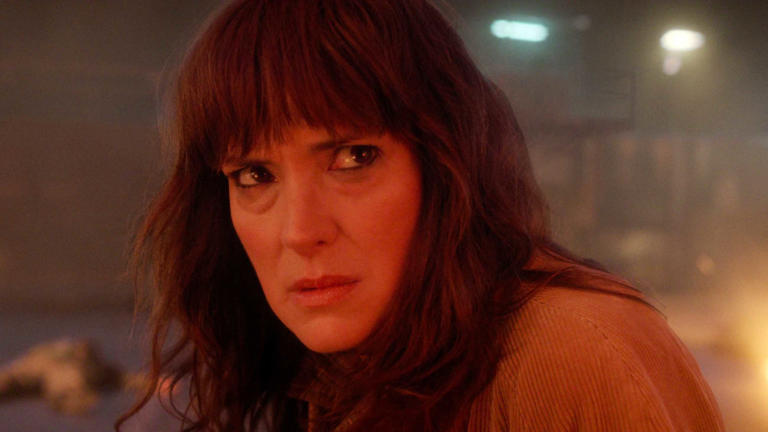
Joyce landed the killing axe blow on Vecna.
After psychic chaos and exotic matter bombs and Eleven’s assault—Joyce Byers, mom of two, wielder of Christmas lights and maternal fury—decapitated the ultimate evil.
Winona Ryder’s desperate-mom icon earned that moment through five seasons of refusing to give up. Ever. On anything.
Will trapped in the Upside Down? She tore dimensions apart. Hopper presumed dead? She flew to Russia.
Vecna threatening her family? Axe to the neck.
The unbreakable will that saved her sons across multiple dimensions finally slayed the monster that started it all. Poetic justice doesn’t cover it.
Jim Hopper: From Gulag to Grandkids
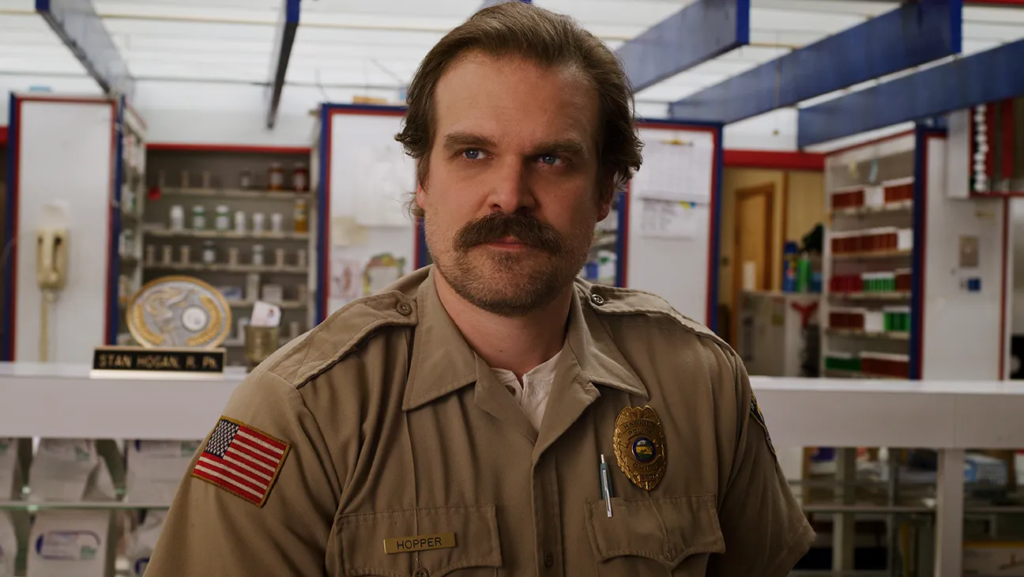
Hopper’s engaged to Joyce. They moved to Montauk for his new security job. Peaceful coast. Quiet life.
David Harbour’s grizzled chief survived Russian gulags, demogorgon fights, and his own grief over losing his daughter. The finale gives him the soft landing he earned.
The epilogue hints at potential grandkids in their future. Hopper—angry, broken Hopper from Season 1—becoming a grandfather feels impossible and perfect simultaneously.
Sometimes the best ending is just peace.
The Supporting Cast: No Character Left Behind
Erica Sinclair: Stealing Scenes Until The End
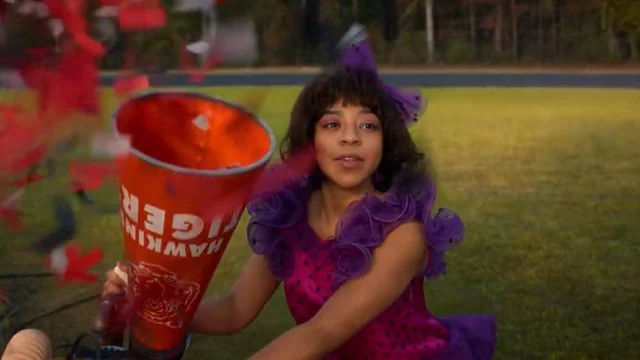
Erica unleashes confetti chaos at Dustin’s graduation speech. Teases Lucas relentlessly. Remains the family troublemaker with perfect comic timing.
Priah Ferguson’s breakout kid sister doesn’t get a major epilogue arc. But she doesn’t need one. Her sass remains mightier than any sword.
Some characters don’t need dramatic growth. They just need to stay exactly who they are while everyone else changes around them.
Holly Wheeler: The New Dungeon Master
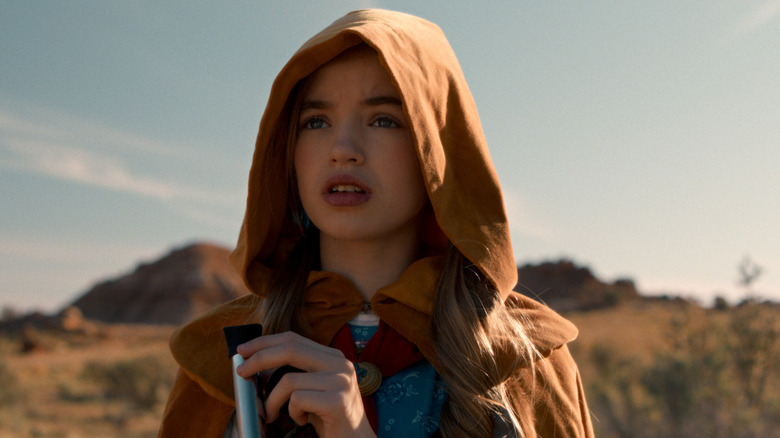
The finale’s last scene shows Holly leading D&D in the Wheeler basement. She’s the Dungeon Master now. Describing quests to wide-eyed kids who don’t know what really happened in Hawkins.
Mike’s voice fades in as narration. He’s describing brave heroes facing the unknown—but he’s talking about them. Holly’s new party.
The torch passes. The cycle continues.
Holly’s emergence as DM symbolizes fresh stories replacing old scars. The next generation taking up dice while the previous generation watches from whatever peaceful lives they built.
Derek Turnbow: From Bully to Believer
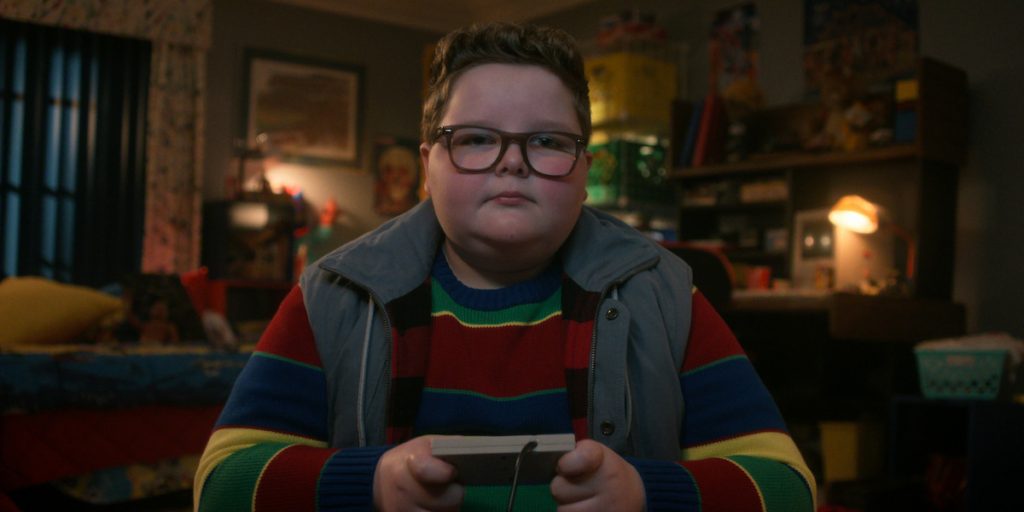
Derek’s arc is subtle but meaningful. Holly’s former bully who made her elementary school years miserable shows up in that final basement scene—not as an antagonist, but as a player.
He’s sitting at the table. Rolling dice. Listening to Holly’s narration with genuine investment.
The show doesn’t give us a dramatic apology scene or some heavy-handed redemption moment. It just shows us the change through action. Derek chose to show up. Chose to play. Chose to be part of something instead of tearing it down.
That’s growth.
Murray Bauman: Conspiracy Theorist Rides Into Sunset
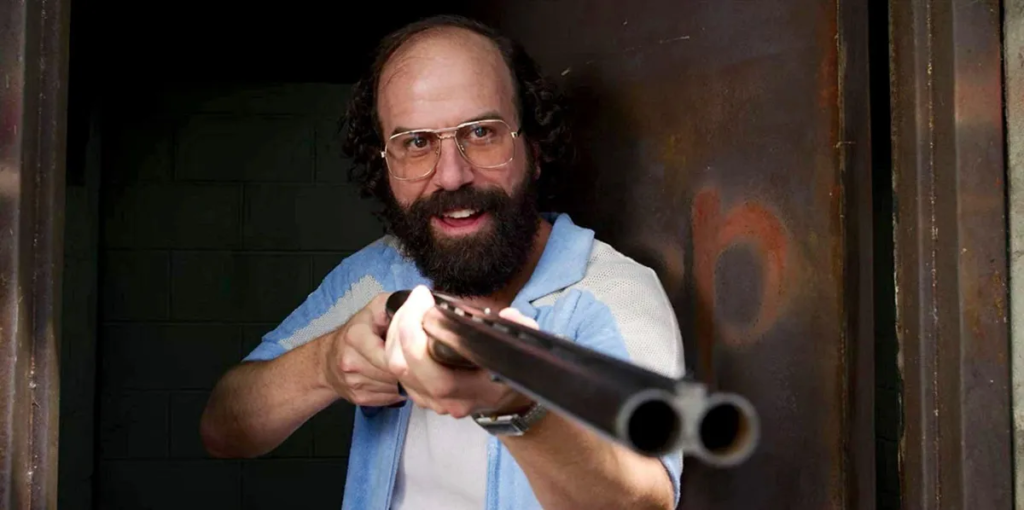
Murray orchestrates the final escape plan then just… vanishes post-victory.
Brett Gelman’s paranoid genius exits on his own terms. No neat resolution. No explanation. Just Murray doing Murray things somewhere else now.
Future conspiracy theories guaranteed. That’s the most Murray ending possible.
Karen and Ted Wheeler: The Normal Anchor
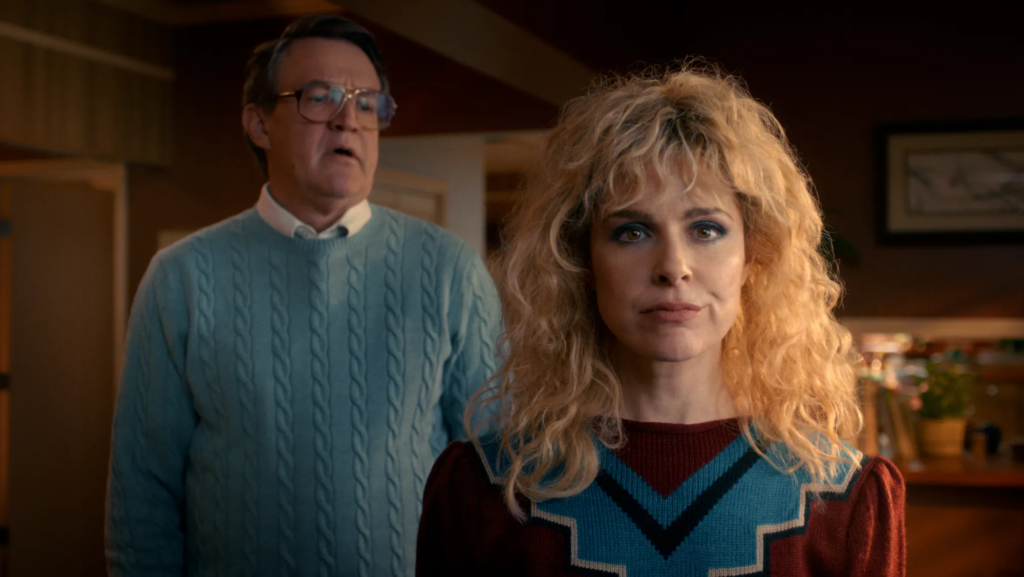
Karen provided the homefront stability. Ted provided oblivious comic relief. Neither changed much across five seasons.
And that’s okay.
Heroes need mundane anchors. They need normal parents doing normal parent things while the world ends. Karen’s “safe haven” energy and Ted’s complete inability to notice anything grounded the Wheeler family chaos.
Sometimes the supporting role is just being there. Consistently. Boringly. Safely.
The Villains: Complete Annihilation
Vecna’s Triple Death
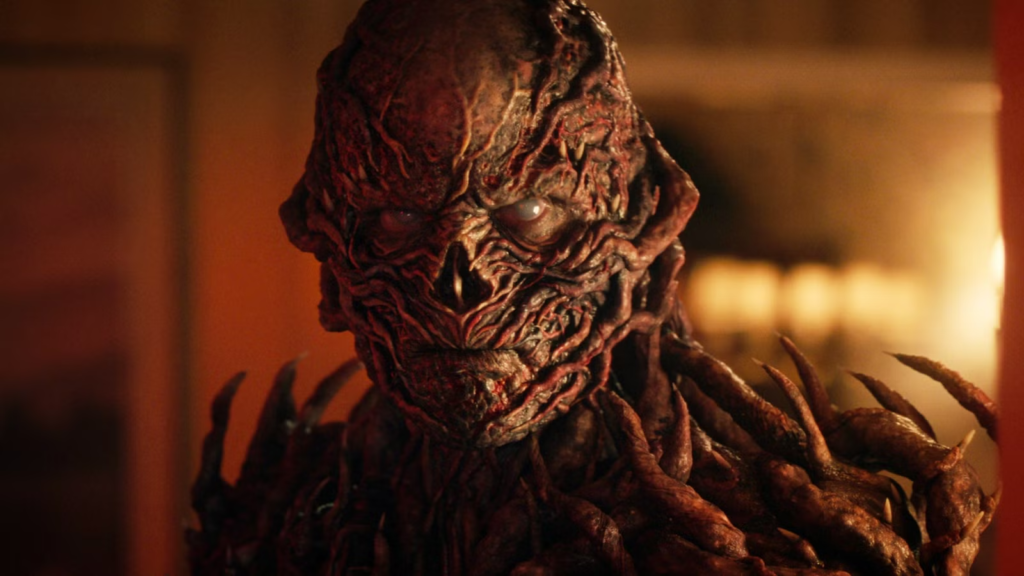
Henry Creel endured:
- Eleven’s psychic impalement
- Joyce’s literal decapitation with an axe
- The entire Upside Down dimension collapsing on his corpse
Jamie Campbell Bower’s villain got the most thorough death possible. No ambiguity. No potential return. Just complete psychic empire turned to dust.
After four seasons of Upside Down threats, the finality feels earned. Sometimes you need the monster to stay dead.
Kali’s Redemptive Sacrifice
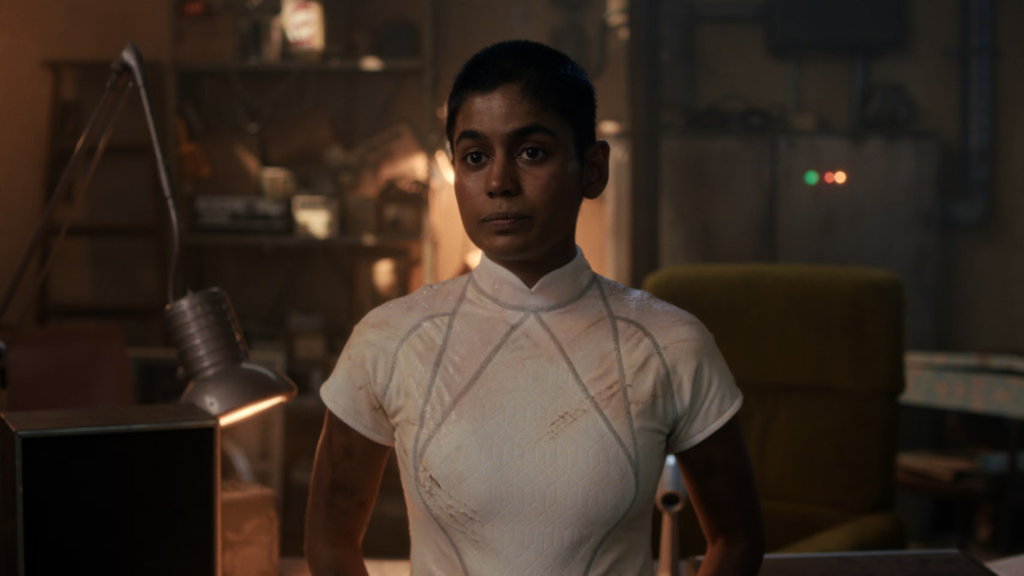
Kali—Eight from Season 2—returns briefly for the finale. She shields Eleven from military gunfire during the extraction chaos.
Dies by bullet. Uses her final illusion to hide El’s escape.
Linnea Berthelsen’s lost sister got redemption through sacrifice. Her Season 2 arc felt incomplete for years. The finale closes it with familial love triumphing over past bitterness.
Not every redemption needs multiple episodes. Sometimes it’s one choice in one moment.
Why These Endings Work (After Nine Years)
The Duffer Brothers could’ve just focused on the main party. Given us epic battle closure and called it done.
Instead they gave everyone an ending. Derek (Holly’s former bully) gets a small redemption. Karen gets acknowledgment for holding the family together. Even Ted’s obliviousness serves a purpose.
That attention to every character—major and minor—shows respect for the audience who spent nine years caring about this world.
We didn’t just watch the party grow up. We watched Hawkins grow up. Every recurring character, every side player, every parent who seemed like background decoration—they mattered.
The Individual Scars Turned Strengths Theme
Every character’s ending reflects their journey:
- El escaped the lab by becoming unknowable
- Mike found confidence through storytelling
- Will weaponized his trauma
- Dustin honored loss publicly
- Lucas chose love over glory
- Max broke her curse through sheer will
- Steve rooted himself in community
- Nancy channeled violence into investigation
- Joyce protected through lethal force
- Hopper found peace after war
Individual scars became individual strengths. Nobody got the same ending because nobody walked the same path.
That’s sophisticated character work for a show about monster-fighting kids.
My Final Thoughts (Nine Years Later)
I started watching Stranger Things in 2016. I was younger. Different life. Different world.
These characters grew up alongside me. Their struggles—finding identity, dealing with trauma, maintaining friendships through change—mirrored real life more than any “realistic” drama.
Because yeah, we don’t fight literal monsters. But we all fight something. And watching the Hawkins crew face impossible odds while staying fundamentally good people? That mattered.
The finale gave them individual endings that honored their journeys without being neat or simple. Life after trauma isn’t neat. Recovery isn’t simple.
But it’s possible.
Stranger Things proved that for nine years. And it stuck the landing by remembering that every character—from Eleven to Holly to Ted Wheeler—deserved their moment.
Hawkins healed through individual scars turned strengths.
The Upside Down is sealed. The gates are closed. The party leveled up one final time.
And somehow, that’s enough.
Roll for initiative, one last time.
You earned this ending.
About It’s Netflix Nerd
This character breakdown was brought to you by It’s Netflix Nerd, where we obsess over every Netflix release so you don’t have to wonder what’s worth watching. We break down endings, analyze hidden details, and help you navigate the overwhelming Netflix catalog with honest takes and zero spoilers (unless you want them).