
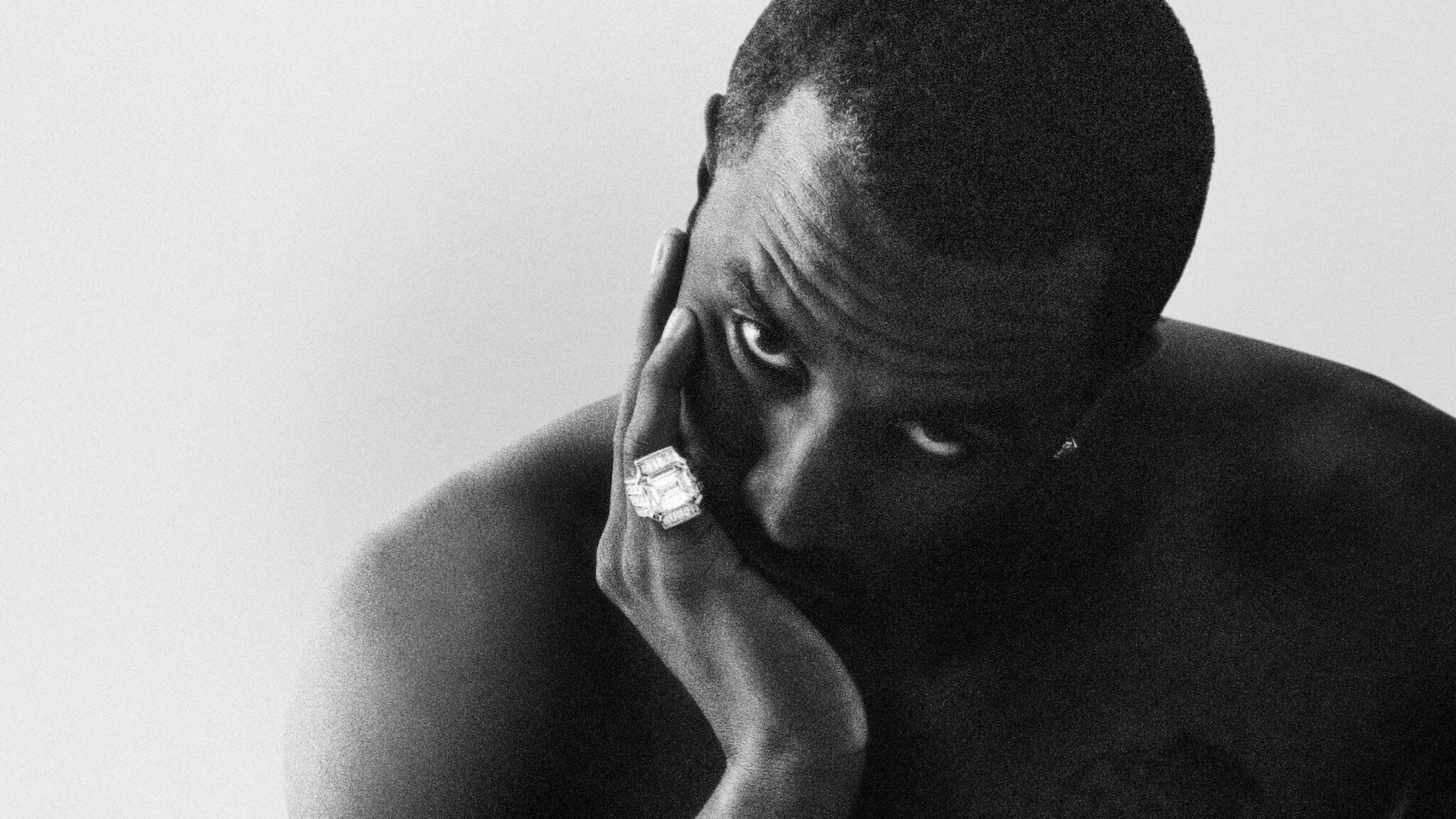
When Sean Combs: The Reckoning premiered on December 2, 2025, it quickly became one of Netflix’s most talked about nonfiction releases of the year. The four-part series pulled in 21.8 million views in its first week, signaling massive global interest in the allegations surrounding music mogul Sean Combs.
TL;DR
Netflix’s four-part docuseries Sean Combs: The Reckoning became an instant hit with 21.8 million views in its first week. In a recent interview, lead editors Charles Wise and Rory Divak revealed how they handled explosive footage, trial updates, and sensitive storytelling choices behind the scenes.
Now, new insight from lead editors Charles Wise and Rory Divak sheds light on the creative and ethical challenges of assembling such a high stakes project. In a recent interview with Meet Me at Crafty, the pair detailed how restraint, structure, and real time developments shaped the final cut.
Editing Explosive Footage With Restraint
One of the biggest challenges the editors faced involved sensitive pre arrest footage from Combs’ hotel suite. The material reportedly included private lawyer calls and moments of visible crisis management.
According to Wise and Divak, the footage was reviewed repeatedly before any decision was made about how to use it. They emphasized that the goal was not to shock viewers but to contextualize behavior.
Rather than front loading explosive clips, the team chose to delay certain reveals. By allowing patterns of alleged conduct to emerge through testimony first, the footage later served as reinforcement rather than spectacle. The approach avoided tabloid sensationalism and instead supported a broader narrative arc.
The editors’ philosophy centered on asking one question: does this moment serve the story? If the answer was no, it stayed out.
Editing During an Active Trial
Episodes three and four were shaped while legal proceedings involving Combs were still unfolding. That created an unusual pressure rarely seen in documentary production.
On the day of a key verdict development, post production reportedly paused entirely as the team absorbed the implications. Real world events were not background noise. They directly influenced tone, pacing, and structure.
Editing in real time meant constantly reassessing narrative clarity. What felt definitive one week could shift with new testimony or legal filings. The editors described the process as emotionally heavy, particularly given the gravity of the allegations and the number of voices involved.
A Man of Patterns
A central structural theme emerged during post production. As Divak noted, multiple individuals described similar alleged experiences across different decades.
The repetition became a storytelling device. Instead of presenting accounts as isolated incidents, the series highlights recurring themes and similarities in detail. By juxtaposing voices across time periods, the editors allowed viewers to see continuity without heavy handed narration.
This approach also reduced the need for dramatic music or exaggerated framing. The repetition itself carried weight.
Compartmentalization and Image Control
Wise described another key element that shaped the series: what he referred to as Combs’ ability to switch between crisis mode and public charm.
Moments captured behind the scenes contrasted sharply with polished appearances and carefully staged public images. The editors leaned into this contrast, presenting it not as commentary but as evidence.
By placing private tension next to public composure, the series underscores themes of image control and compartmentalization. In doing so, it reframes what might otherwise appear as celebrity crisis management into part of a broader pattern.
Structure Over Sensationalism
Another complication involved footage that may have originally been commissioned for image building purposes. In isolation, some clips could be interpreted as self promotional or neutral. However, once interviews with former Bad Boy insiders were layered in, the meaning shifted.
Appearances from artists and associates, including Lil Cease and Aubrey O’Day, added perspective that reshaped how archival footage was understood.
Rather than using dramatic editing tricks, the team prioritized structural coherence. Interviews informed archival placement, and context reframed seemingly ordinary moments. The result is a series that critics have described as sober and methodical rather than reactive.
Series Background and Reception
Directed by Alexandria Stapleton and executive produced by 50 Cent, Sean Combs: The Reckoning consists of four episodes:
- “Pain vs Love” – 61 minutes
- “What Goes Down Must Come Up” – 59 minutes
- “Official Girl” – 55 minutes
- “Blink Again” – 67 minutes
The series currently holds a 90 percent score on Rotten Tomatoes, with critics praising its measured tone and focus on corroboration rather than tabloid theatrics. Some reports also note that the production faced pressure and pushback from Combs’ camp during development.
Despite those obstacles, the show’s strong debut numbers suggest significant audience engagement. Its approach stands out in a media environment often dominated by sensational headlines.
Why the Editing Matters
Documentaries about powerful public figures walk a fine line between investigation and exploitation. In this case, Wise and Divak’s comments highlight the responsibility that comes with access to volatile material.
By choosing structure over shock value and delaying explosive footage until it strengthened thematic clarity, the editors shaped a series that prioritizes narrative coherence and viewer understanding.
As true crime and celebrity accountability projects continue to dominate streaming platforms, Sean Combs: The Reckoning offers a case study in how editing decisions can define tone as much as content.
With 21.8 million views in week one, the audience response indicates that viewers are willing to engage with complex, carefully constructed storytelling.
Check out It’s Netflix Nerd for our latest reviews, updates, release news, and information about Netflix movies and series.