
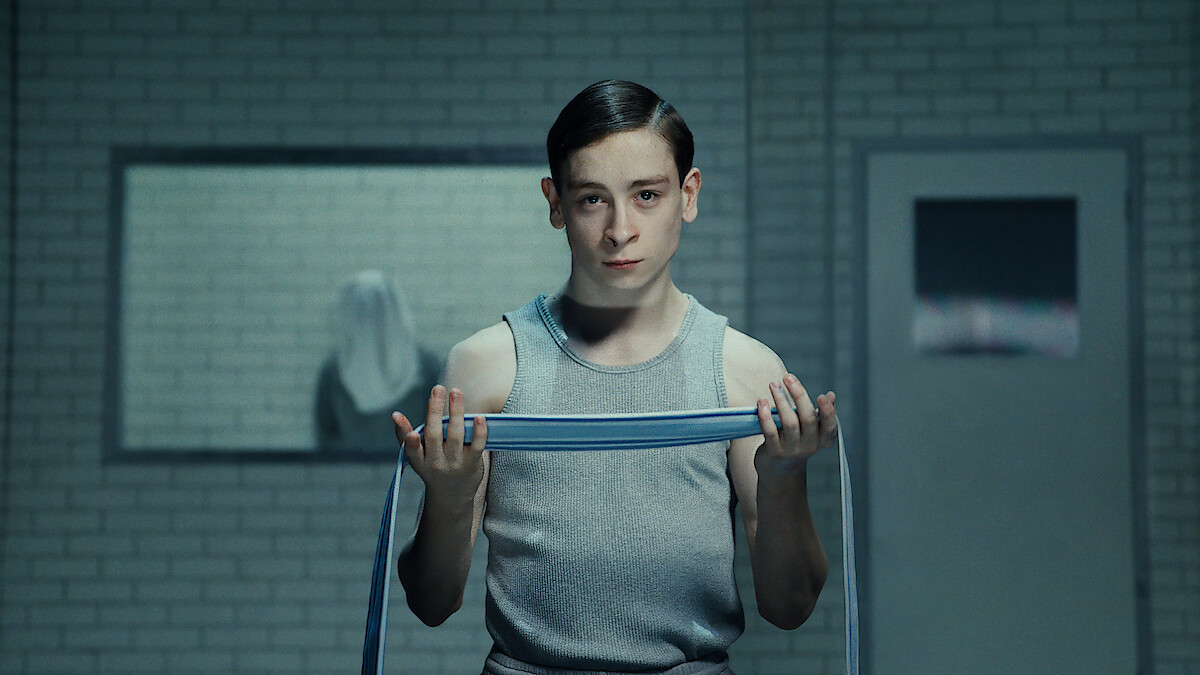
As someone who’s spent countless hours dissecting every frame of Stranger Things and analyzing its intricate mythology, I’ve been following the development of the franchise’s spinoffs with intense curiosity. The original series concluded on December 31, 2025, leaving us with both closure and lingering questions about the broader Stranger Things universe. Now that Netflix has confirmed multiple spinoff projects, I want to share my analysis of how these new stories connect to the timeline we’ve come to know and love.
The Animated Series Fills a Critical Gap
A Complete Guide on Stranger Things Tales From ’85 →
The first spinoff arriving in 2026 is Stranger Things: Tales from ’85, an animated series that takes place during the winter of 1985—specifically between Seasons 2 and 3 of the original show. This placement is fascinating from a timeline perspective because it explores a period we never fully saw in the live-action series. When I first learned about this, I immediately wondered what supernatural threats could have emerged during those cold months in Hawkins that we didn’t know about.
The animated series will feature our beloved characters—Eleven, Mike, Will, Lucas, Dustin, and Max—alongside a new character named Nikki, described as a resilient girl with a mohawk. They’ll confront new Upside Down monsters, including what’s been described as “Upside Down pumpkin-zombies and vine-like monsters”. Having analyzed the original series extensively, I find it particularly compelling that familiar locations like Hawkins National Laboratory will resurface in this spinoff, suggesting that Brenner’s facility continued to play a role in supernatural disturbances even after the events of Season 2.
The showrunner Eric Robles has stated that the series draws inspiration from 1980s Saturday morning cartoons like Masters of the Universe, Scooby-Doo, and especially The Real Ghostbusters, which featured darker, creepier episodes. This creative direction makes perfect sense for maintaining the show’s aesthetic while exploring untold stories from the timeline.
The Stage Play Reveals Henry Creel’s Origins
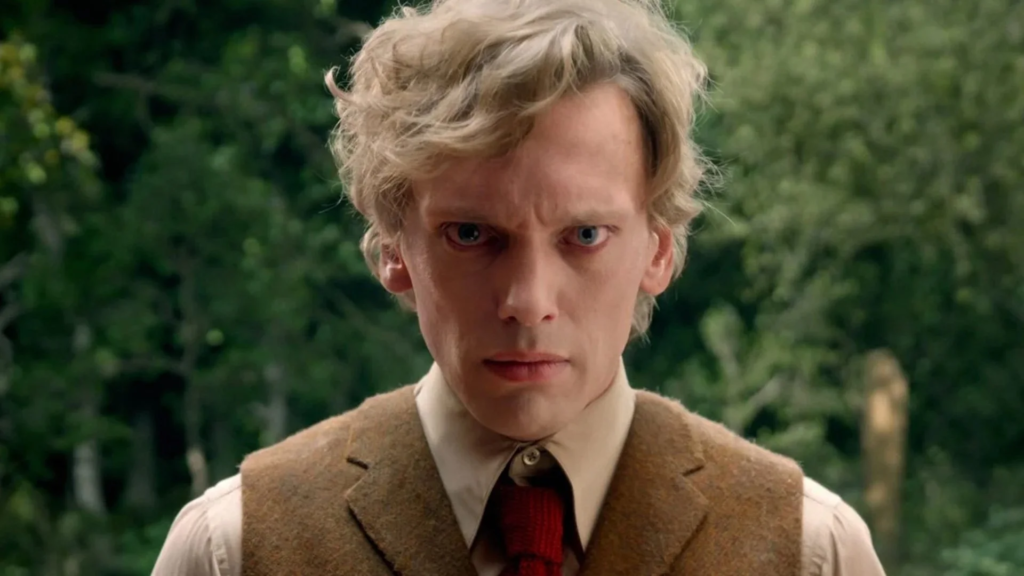
Before we even get to the upcoming spinoffs, there’s already an essential piece of the Stranger Things timeline puzzle that many fans might have missed: Stranger Things: The First Shadow. This stage production opened in London in December 2023 and transferred to Broadway in April 2025, and I consider it crucial viewing for understanding the franchise’s expanded mythology.
The First Shadow takes us back to November 6, 1959—the exact month and day that Will Byers would disappear 24 years later in 1983. This is no coincidence, and as someone who’s built a career analyzing narrative patterns, I recognize this as deliberate storytelling. The play explores Henry Creel’s teenage years in Hawkins and reveals critical backstory about how he first encountered the Upside Down and developed his dark abilities.
What I find most significant is that the play introduces the concept of the mysterious cave and the strange rock that Henry discovered—elements that were referenced in Season 5 of the series. The play reveals that Henry found technology stolen from Brenner’s lab inside this cave, which he used to travel to Dimension X and become connected with the Upside Down creatures. It also explores Dr. Brenner’s father, who was captain of the USS Eldridge and was teleported to an alternate dimension, returning changed—this explains Brenner’s obsession with reaching Dimension X.
From my analysis, The First Shadow serves as essential connective tissue between the mythology we know and the deeper origins of Vecna’s powers. The play demonstrates that the Mind Flayer was influencing Henry long before he became Vecna, with the Void serving as a battlefield where Henry constantly resisted possession.
The Live-Action Spinoff Explores New Mythology
The most mysterious project in development is an untitled live-action spinoff that the Duffer Brothers have been working on. In recent interviews from January 2026, Matt and Ross Duffer revealed they began working on this series on January 5, 2026, and they’re approaching it with “a clean slate: completely new characters, new town, new world, new mythology”.
What’s particularly intriguing from a timeline perspective is that this spinoff won’t focus on the Mind Flayer or the Upside Down directly, but will introduce “an entirely new mythology”. However, the Duffers confirmed it will answer lingering questions related to Henry’s memory and provide some resolution to mysteries from the original series. The spinoff will specifically explore the strange rock that Henry Creel encountered in the cave—a narrative thread that connects back to both the main series and The First Shadow.
Based on my years of analyzing this franchise, I believe this approach is brilliant. Rather than retreading familiar ground, the Duffers are expanding the universe laterally, showing us that the supernatural phenomena we witnessed in Hawkins might be part of something much larger. The creators emphasized that it shares “storytelling sensibility” with Stranger Things but is “very, very different” from what fans expect.
The timeline placement for this live-action spinoff remains unclear, though the Duffers indicated it won’t be set in the 1980s, breaking away from the original series’ era. This suggests we could be looking at either a prequel set before Henry Creel’s time or a contemporary story that explores how the mythology continues to affect people in new locations. Given the December 2025 interviews stating they were in the “early days” of development, I wouldn’t expect this to arrive until 2027 at the earliest.
How the Extended Universe Enhances the Core Story
What I appreciate most about how these spinoffs connect to the original timeline is that they’re not simply rehashing the same story. Tales from ’85 fills in gaps we didn’t know existed, The First Shadow provides essential backstory that enriches our understanding of Vecna’s origins, and the upcoming live-action spinoff promises to expand the mythology in unexpected directions.

The Duffer Brothers have stated they don’t want to create “an insanely convoluted mythology” like some franchises but rather want each project to stand on its own while sharing familiar elements like kids, high-stakes adventures, and sci-fi/fantasy themes. As someone who’s witnessed many franchises lose their way through over-expansion, I find this restraint encouraging.
Beyond these three main spinoff projects, the Stranger Things timeline has also been expanded through novels (Suspicious Minds, Flight of Icarus, Rebel Robin, Lucas on the Line), comics (The Other Side, Tales From Hawkins), and other media that explore different characters’ perspectives and untold moments. Each of these adds layers to our understanding of when and how events unfolded in the Stranger Things universe.
My Perspective on What’s Coming
Having dedicated significant time to understanding the Stranger Things mythology, I’m genuinely excited about how these spinoffs are being constructed. The animated series arriving in 2026 will give us immediate gratification by revisiting our favorite characters during an unexplored period. The stage play has already provided crucial context that I believe will prove essential for understanding the franchise’s deeper lore. And the live-action spinoff, whenever it arrives, promises to challenge our assumptions about the boundaries of this universe.
The key to appreciating these spinoffs’ connection to the timeline is understanding that they’re designed to complement rather than replace the original series. They answer questions, fill gaps, and expand possibilities—all while maintaining the core storytelling sensibility that made us fall in love with Stranger Things in the first place.
Check out It’s Netflix Nerd for our latest reviews, ending explanations, and recommendations.