
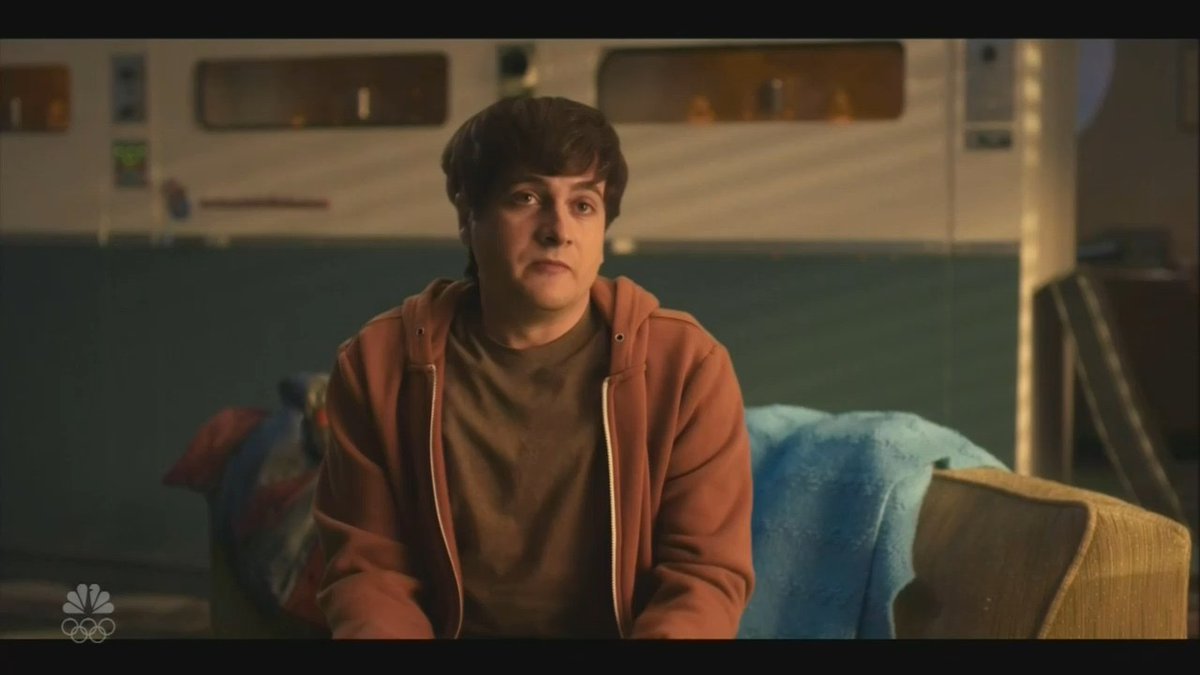
Fans of the hit Netflix series express disappointment over comedy sketch that reimagined a significant character moment from the show’s final season
Saturday Night Live found itself at the center of heated online debate following its January 18, 2026 episode, hosted by actor Finn Wolfhard. The controversy stems from a comedy segment that took aim at a pivotal scene from Stranger Things’ concluding season, where the character Will Byers addresses his sexuality—a moment that resonated deeply with the show’s global audience.
The Sketch That Ignited the Debate
During the late-night comedy program, cast member Jeremy Culhane portrayed the teenage character in a segment that attempted to find humor in the character’s emotional journey. The bit featured Culhane’s version of the character extending what should have been a heartfelt revelation into an extended gag, ultimately subverting expectations by expressing enthusiasm for the tabletop role-playing game that’s been central to the series since its 2016 premiere.
The sketch aired with several of Wolfhard’s former castmates present, including Caleb McLaughlin and Gaten Matarazzo, who reprised elements of their on-screen personas for the comedy show. However, Noah Schnapp, the actor who actually brings Will to life on screen, did not participate in the episode.
Why Audiences Found the Parody Problematic
Social media platforms quickly filled with responses from viewers who felt the sketch crossed a line. Many expressed that choosing to lampoon a teenager’s journey toward self-acceptance—particularly one set during the less accepting cultural climate of the 1980s—demonstrated poor judgment regarding subject matter.
The criticism intensified as fans pointed out the documented emotional weight of filming such scenes. Schnapp had previously spoken publicly about the personal challenges involved in portraying such vulnerable moments, making the decision to turn that vulnerability into comedic fodder feel especially tone-deaf to many viewers.
Additional concerns emerged about selective treatment of characters. Observers noted that while this particular storyline became comedy material, other romantic or personal developments involving different characters from the series weren’t subjected to similar treatment during the same episode. This perceived inconsistency fueled arguments that the sketch reflected underlying biases rather than equal-opportunity satire.
Understanding the Broader Television Landscape
This controversy doesn’t exist in isolation. Television comedy has long grappled with the question of where to draw boundaries when parodying serious topics, especially those involving marginalization or identity. Shows like SNL operate in a challenging space—attempting to remain relevant and edgy while navigating increasingly nuanced conversations about representation and respect.
The situation becomes more complex considering the original scene itself had already generated divided reactions. When Stranger Things released its seventh episode of the fifth season, audience reception data showed unusually low satisfaction ratings compared to the series’ typical performance metrics. The episode received a 5.7 rating out of 10 on the popular film and television database IMDb, marking it as the least favorably received installment in the show’s entire run across five seasons.
This existing division among the fanbase may have contributed to SNL’s decision that the scene was fair game for parody. However, the subsequent backlash suggests the comedy writers may have underestimated how protective audiences feel about authentic representation, even when that representation proves controversial.
The Representation Question in Modern Entertainment
What makes this particular controversy noteworthy extends beyond a single sketch. It reflects ongoing tensions in entertainment about how to handle LGBTQ+ storylines, especially those involving younger characters. When such narratives appear in mainstream programming, they carry significance beyond typical plot developments—they validate experiences and provide visibility that many audience members, particularly younger viewers, find personally meaningful.
Comedy has traditionally served as a space to challenge, question, and even deflate serious topics. Yet there’s an evolving understanding that certain subjects require more careful consideration, particularly when they involve the experiences of communities that have historically faced ridicule or exclusion. The pushback against this SNL segment suggests many viewers believe coming-out narratives, especially those depicting teenagers in historically unwelcoming environments, fall into this category.
What This Means for Comedy and Satire
The incident raises questions about how comedy institutions like SNL will approach similar material going forward. As cultural conversations continue evolving around representation and sensitivity, comedy writers face the challenge of maintaining their satirical edge without alienating audiences who see certain topics as deserving of more thoughtful treatment.
The presence of Wolfhard and other cast members in the sketch adds another layer to the situation. While their participation might have been intended to signal that the parody was made with affection for the source material, it instead highlighted Schnapp’s absence and raised questions about whether all parties were equally comfortable with how the storyline was being handled.
Moving Forward
This controversy likely won’t be the last time entertainment institutions face criticism for how they handle representation in comedy. As audiences become more vocal about expecting thoughtful treatment of identity-related narratives, shows that have traditionally operated with broad satirical license may need to recalibrate their approaches to certain subjects.
For fans of Stranger Things specifically, the situation underscores how deeply invested audiences become in characters they’ve followed for years, and how protective they feel when those characters’ most vulnerable moments become comedic material. Whether SNL or similar programs will adjust their approach to such content remains to be seen, but the intensity of this response suggests the conversation around these boundaries is far from over.
Check out It’s Netflix Nerd for our latest reviews, ending explanations, and recommendations.