
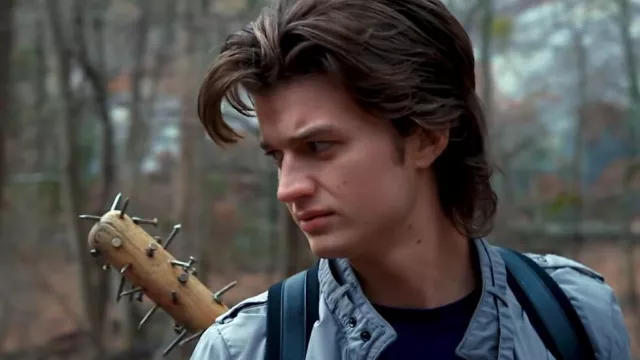
Character: Steve Harrington
Portrayed by: Joe Keery
Seasons: 1-5 (Main Cast)
First Appearance: Season 1, Episode 1 (“The Vanishing of Will Byers”)
Key Traits: Loyalty, Protectiveness, Adaptability, Dad Energy, Unexpected Heroism
Role: The Babysitter, Big Brother Figure, Unlikely Hero
Signature: Baseball bat with nails, perfect hair, “mom friend” energy
Steve Harrington has the best character arc in Stranger Things.
I’ll say it louder for the people in the back: Steve Harrington has the best redemption arc in the entire series.
Not the most powerful. Not the most dramatic. But the most satisfying transformation from someone you’re supposed to hate into someone you’d trust with your life.
Joe Keery took a character designed as the disposable jock boyfriend—the guy who was probably going to die in Season 1 to motivate Nancy’s revenge—and turned him into the heart and soul of Stranger Things. The babysitter. The protector. The guy who puts down roots in Hawkins because he realizes home isn’t about escaping somewhere better—it’s about being exactly where people need you.
I’ve covered this show since 2016. Analyzed every character extensively. And Steve Harrington’s journey from “King Steve” the popular jerk to Coach Harrington mentoring the next generation is television’s most unexpected and beautiful example of what real growth looks like.
Let me break down why Steve’s nine-year arc matters so much more than anyone expected when that hair first appeared on screen.
The Douchebag Boyfriend We Were Supposed to Hate (Season 1)
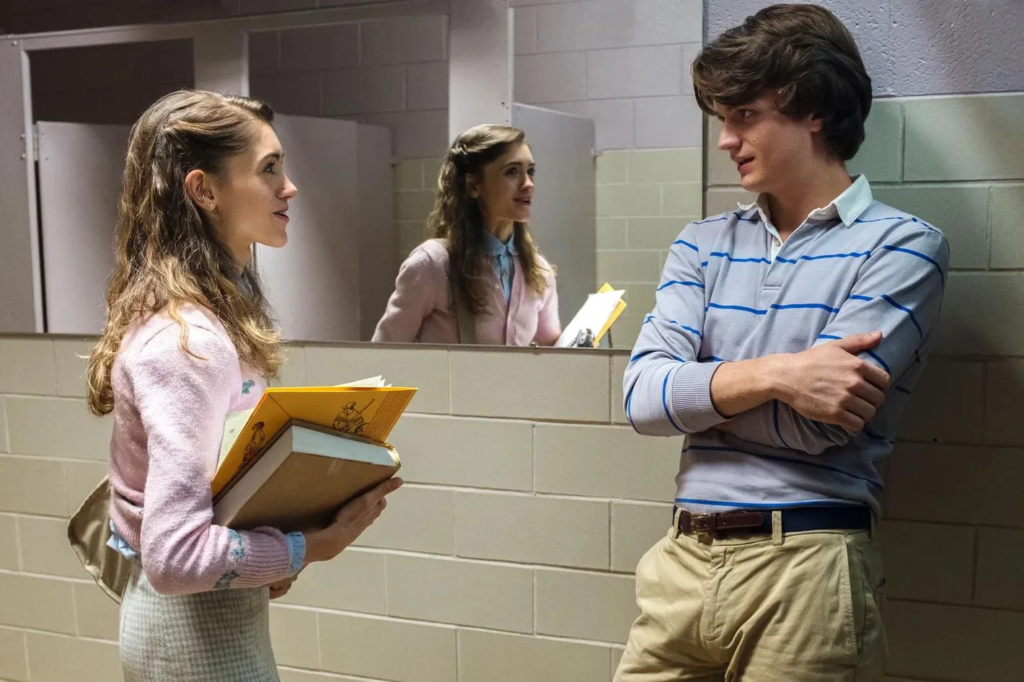
Steve starts Season 1 as a walking stereotype: the popular jock dating the smart girl, hanging with toxic friends, caring more about his reputation than being a decent person.
King Steve and His Court
Steve’s the guy who has everything in high school terms. Popularity. Good looks. Money. The hot girlfriend. He’s “King Steve”—the nickname used both admiringly by followers and mockingly by everyone else.
His friends are terrible. Tommy H. and Carol are the classic mean girl and enabler combo. They pressure Steve to be worse than he naturally is. Mock Nancy behind her back. Encourage his worst impulses.
That friend group dynamic is important for understanding Steve’s arc: he’s not inherently cruel. He’s performatively cruel because that’s what his social position requires. Being “King Steve” means acting a certain way, treating certain people certain ways, maintaining a hierarchy.
But watch Joe Keery’s performance in early Season 1. There’s discomfort. Steve laughs at Tommy’s jokes, but the laugh doesn’t quite reach his eyes. He goes along with the cruelty, but he’s not driving it.
He’s playing a role. And he’s getting tired of it.
The Alley Fight and Slut-Shaming
When Steve thinks Nancy slept with Jonathan (she didn’t), his response is awful. He allows his friends to spray-paint slut-shaming graffiti. He breaks Jonathan’s camera. He’s cruel and possessive and everything wrong with toxic masculinity.
This is Steve at his worst. Letting wounded pride justify hurting people. Performing for his terrible friends instead of thinking about what’s actually right.
But then something shifts.
The Moment That Changed Everything
Steve goes to the Byers house to apologize. He’s holding flowers. Ready to grovel. Wanting to make things right with Nancy.
Instead, he walks into a demogorgon attack.
Jonathan and Nancy are fighting a monster with a baseball bat and a gun. Without hesitation, Steve picks up the nail bat and starts swinging.
This is the moment Steve Harrington becomes a hero. Not because he’s brave or strong or special. Because when people need help, his first instinct is to help them—even people he was fighting with hours earlier.
He doesn’t run. Doesn’t freeze. Just grabs a weapon and fights alongside them.
That choice—to stay and fight instead of flee—reveals who Steve actually is beneath the “King Steve” performance. He’s not the jerk. He’s the guy who shows up.
Ending Season 1 Changed
By Season 1’s end, Steve has:
- Ditched his toxic friends
- Apologized to Jonathan
- Fought a demogorgon
- Bought Jonathan a new camera
- Shown up for Nancy consistently
He’s starting the transformation. Shedding the persona that got him popularity in favor of becoming someone he can actually respect.
The Steve who exits Season 1 is someone who’s glimpsed a bigger world than high school hierarchies. Someone who’s realized that being cool matters way less than being good.
The Babysitter Era Begins (Season 2)
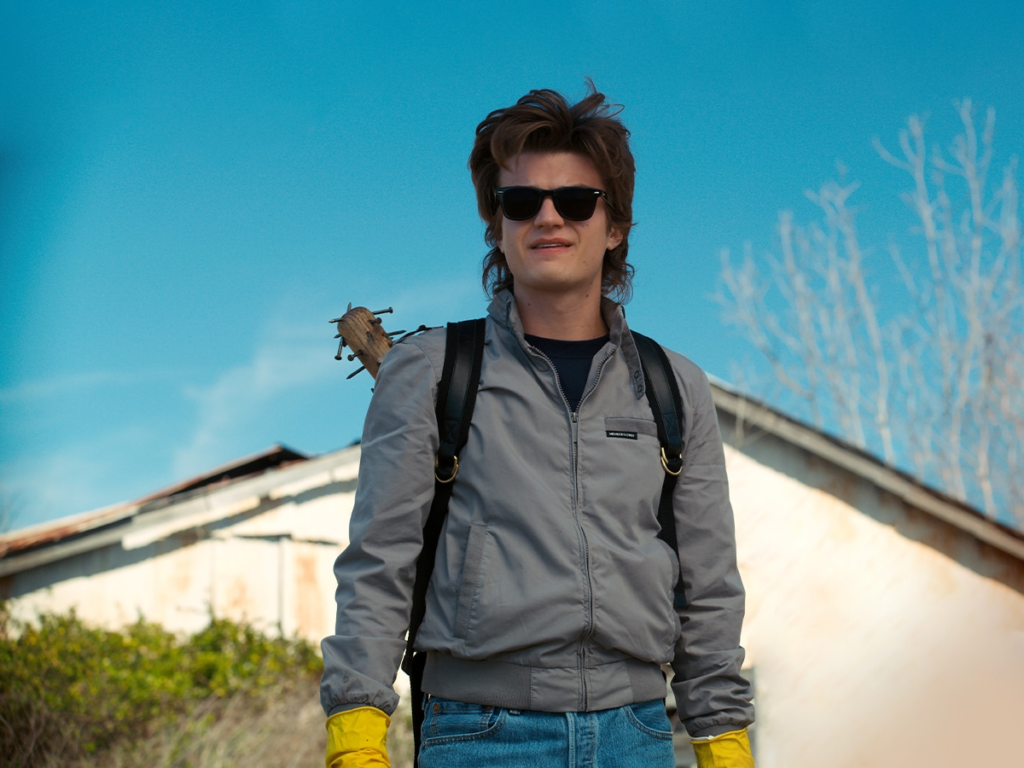
Season 2 is where Steve becomes Steve. The Steve we love. The babysitter. The protector. The guy with a bat and zero hesitation about using it to protect kids.
Losing Nancy
Nancy and Steve’s relationship ends in Season 2. Not dramatically or with betrayal—just the quiet dissolution of two people growing apart.
Nancy can’t move past Barb’s death. Can’t pretend everything’s normal. Can’t play the happy couple when her best friend died and they all lied about it.
Steve wants normal. Wants to pretend the Upside Down never happened. Wants the future they planned—six kids, road trips, ordinary suburban life.
They want different things. So they end.
This breakup is crucial for Steve’s development. It strips away the “boyfriend” identity he’d built himself around. Forces him to figure out who Steve Harrington is when he’s not Nancy Wheeler’s boyfriend or King Steve or any other role.
Dustin’s Unlikely Big Brother
Dustin Henderson shows up at Steve’s door asking for help with a “pet” that’s actually a baby demogorgon.
Steve could’ve said no. Could’ve shut the door on this weird kid with no front teeth asking for monster advice.
Instead, Steve grabs his nail bat and becomes Dustin’s big brother.
Their dynamic is perfect. Dustin looks up to Steve. Thinks he’s cool and brave and everything a big brother should be. Steve treats Dustin like he matters—gives him genuine advice, listens to his problems, shows up when called.
This relationship is the first hint of Steve’s true calling: he’s not meant to be King Steve ruling the social hierarchy. He’s meant to be the protector, the mentor, the older brother figure for kids who need one.
The Junkyard Battle
The junkyard sequence—Steve, Dustin, Lucas, and Max fighting off a pack of demodogs—cements Steve’s new identity.
He’s wielding his nail bat. Standing between the kids and monsters. Telling them to stay behind him. Ready to die protecting children he barely knows.
This is who Steve is now. Not the popular kid. Not the boyfriend trying to impress his girlfriend. Just a guy with a bat and an unshakeable commitment to keeping vulnerable people safe.
When Dustin later asks Steve for dating advice, Steve gives it seriously. Respects Dustin’s questions. Treats a thirteen-year-old’s crush with the same gravity he’d treat an adult’s relationship concerns.
That respect—treating kids like people whose feelings matter—is what makes Steve special.
The Snow Ball
Steve drives Dustin to the Snow Ball dance. Helps him with his hair. Gives him a pep talk. Waits in the parking lot to make sure Dustin’s okay.
This moment crystallizes Steve’s transformation. A year ago, he wouldn’t have been caught dead at a middle school dance. Now he’s happily playing chauffeur and cheerleader for a nerdy kid because that kid needed support.
The popular jock became the supportive older brother. And he’s better for it.
Scoops Ahoy and Russian Torture (Season 3)
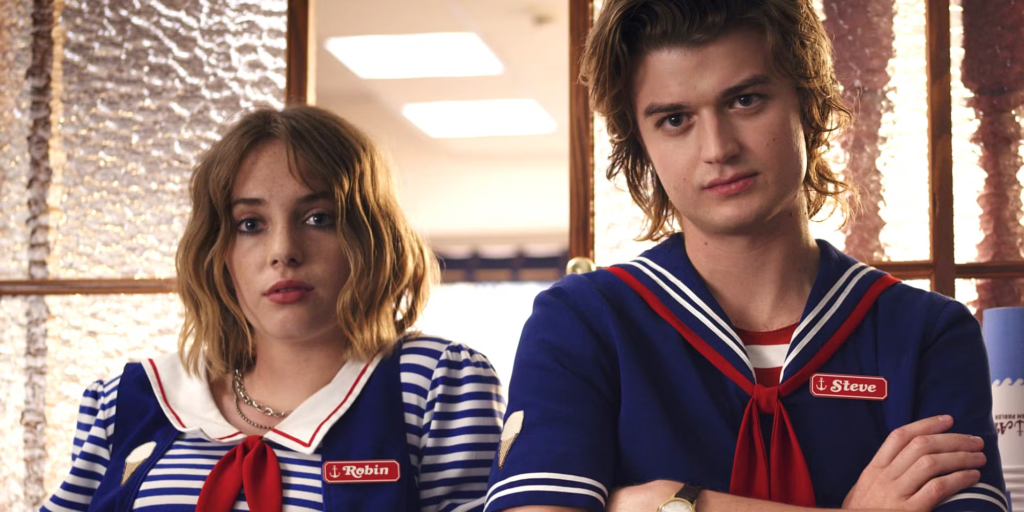
Season 3 puts Steve in a Scoops Ahoy sailor uniform working mall food service. It’s humiliating for former King Steve. But it’s also perfect.
The Fall From Grace
Steve didn’t get into any colleges. His grades weren’t good enough. His family’s rich but not “buy your way into college” rich.
So he’s scooping ice cream at the mall. Wearing a ridiculous costume. Getting mocked by former classmates who remember when he was popular.
This could’ve been a bitter, angry Steve. Instead, he’s just… trying. Working a job. Not complaining. Accepting that high school glory doesn’t translate to adult success.
That humility is huge character growth. The old Steve would’ve been furious about this fall. Current Steve just shows up for his shifts and does his job.
Robin Buckley Changes Everything
Robin is Steve’s coworker and eventual platonic soulmate—starts as someone who openly dislikes Steve. She remembers King Steve. Remembers his cruelty. Doesn’t buy that he’s actually changed.
Steve tries to flirt with her. She shuts him down repeatedly. Their banter is antagonistic but gradually becomes friendly.
Then they get captured by Russians. Drugged. Tortured. Have to escape together from Soviet operatives running a secret base under the mall.
Bonding through shared trauma accelerates their friendship. The bathroom conversation where Robin comes out to Steve—admitting she’s not interested because she’s into girls, specifically into Tammy Thompson who Steve also liked—is one of the series’ best scenes.
The Coming Out Scene
Steve’s response to Robin coming out is perfect. No awkwardness. No homophobia. Just immediate acceptance and teasing about Tammy Thompson’s terrible singing voice.
This scene shows Steve’s growth beautifully. The guy who used to perform toxic masculinity for approval now immediately accepts his friend’s sexuality without hesitation. Doesn’t make it about him. Just pivots to “okay, we’re best friends now” without missing a beat.
Robin and Steve’s friendship becomes the show’s most important platonic relationship. They’re soulmates—just not romantic ones. They complement each other perfectly. Robin’s sharp wit balances Steve’s emotional openness. Steve’s protective instincts balance Robin’s impulsiveness.
Russian Torture and Protecting the Kids
Steve gets brutally tortured by Russian operatives. Beaten. Drugged. Interrogated.
Through all of it, he doesn’t give up Dustin or Erica. Doesn’t betray the kids to save himself.
This is Steve’s heroism distilled: he’ll endure any pain before letting harm come to kids under his protection.
Later, while still recovering from that torture, Steve fights Billy and the Mind Flayer. Doesn’t hesitate. Doesn’t rest. Just keeps showing up because that’s what Steve does.
Facing Mortality and Finding Purpose (Season 4)

Season 4 splits the party geographically. Steve stays in Hawkins with Dustin, Robin, Nancy, and the Hawkins-based storyline.
The Nancy Wheeler Complication
Nancy and Jonathan’s long-distance relationship is struggling. Steve’s still in Hawkins. Old feelings resurface.
Steve admits to Nancy that he still thinks about their future. The six kids. The road trips. Growing old together.
Nancy’s torn. Jonathan’s distant. Steve’s here and familiar and offering the safe, normal future part of her still wants.
But the show doesn’t give Steve that happy ending. Nancy ultimately chooses herself—her career, her ambitions—over either boyfriend. Steve’s dream of domestic suburban bliss isn’t happening.
That rejection stings. But it’s also important. Steve learning that not every story ends with him getting the girl. Sometimes the heroic thing is stepping back and letting people make their own choices.
The Upside Down Dive
When Nancy gets trapped in the Upside Down, Steve dives into the cursed lake without hesitation. Literally jumps into monster-infested water because Nancy needs help.
That’s Steve’s entire character: see someone in danger, immediately act, worry about consequences never.
The Upside Down sequence—Steve getting attacked by demobats, strangled, dragged through hell while Nancy, Robin, and Eddie save him—shows Steve’s limitations. He’s brave. He’s tough. But he’s not invincible.
His body gets wrecked. Bat bites tearing into his sides. Nearly dying multiple times.
But he keeps fighting. Keeps protecting the others. Keeps being Steve.
The Eddie Munson Friendship
Steve and Eddie Munson shouldn’t work as friends. Eddie’s the freak, the metalhead drug dealer. Steve’s the former jock, the babysitter, the “normal” one.
But they bond over being underestimated. Over loving the kids. Over doing whatever it takes to protect Hawkins even when Hawkins never appreciated them.
Eddie calls Steve a “pretty boy” and “the hair” affectionately. Steve treats Eddie with respect despite their differences. Their developing friendship shows Steve’s evolved completely past judging people for not fitting in.
Watching Eddie Die
Steve’s there when Eddie makes his final stand. Watches Eddie choose sacrifice. Can’t save him.
That loss hits Steve hard. Another person dead protecting Hawkins. Another friend gone. More evidence that heroism doesn’t guarantee survival.
Steve’s journey has been marked by loss. Barb. Billy. Bob. Now Eddie. Each death reinforces: this work is dangerous. People die. And you keep going anyway because the alternative is letting more people die.
Finding Home and Mentoring the Future (Season 5)
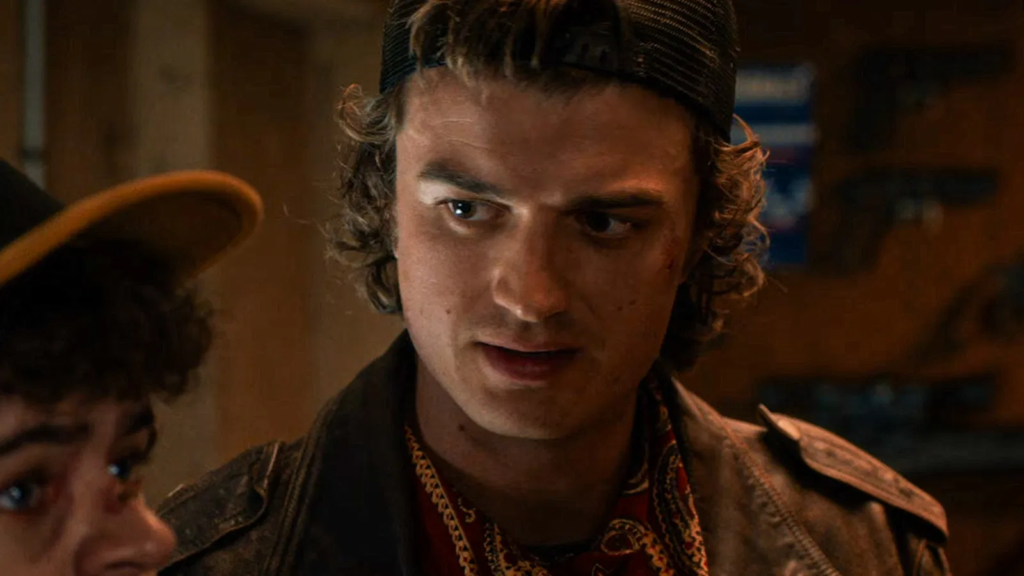
Season 5’s epilogue shows Steve’s ultimate fate: he stayed in Hawkins.
Coach Harrington
Steve buys Eddie Munson’s house. Becomes the Hawkins High baseball coach. And the sex education teacher.
This is the most Steve Harrington ending possible.
He didn’t escape to college or big city success. He stayed in the town that never fully appreciated him. Stayed to mentor the next generation of kids who need guidance from someone who understands them.
Steve teaching sex ed is hilarious and perfect. The guy who learned through trial and error, who made mistakes and grew from them, now helping teenagers navigate those same confusing years.
The Babysitter Becomes the Permanent Dad
Steve’s journey completes a circle: he started trying to be popular, trying to fit in, trying to be someone he wasn’t.
He ends by being exactly himself: the protector, the mentor, the guy who puts down roots because that’s where he’s needed.
No romantic happy ending. No escape to bigger dreams. Just Steve Harrington being Steve Harrington in the place that needs him most.
That’s more satisfying than any romantic resolution could be. Because Steve’s purpose was never about finding the right person—it was about becoming the right person.
Still Best Friends with Robin
The epilogue confirms Steve and Robin maintain their friendship beyond high school. Monthly meetups. Constant communication. The platonic soulmate bond surviving distance and life changes.
That consistency matters. Steve’s most important relationship isn’t romantic—it’s the friendship with Robin that taught him platonic love is just as valuable as romantic love.
The Legacy of Steve Harrington
Steve’s ending sends a clear message: you don’t need to be the smartest or most powerful or most successful to matter. Sometimes the greatest impact comes from simply being present, being consistent, and choosing to invest in your community.
Former King Steve became Coach Steve. The popular kid who could’ve left became the adult who stayed. The guy who started thinking only about himself learned to define himself through service to others.
That’s not just good character development. That’s a model for actual human growth.
Steve’s Relationships: The Bonds That Define Him
Steve and Dustin: The Perfect Brotherhood
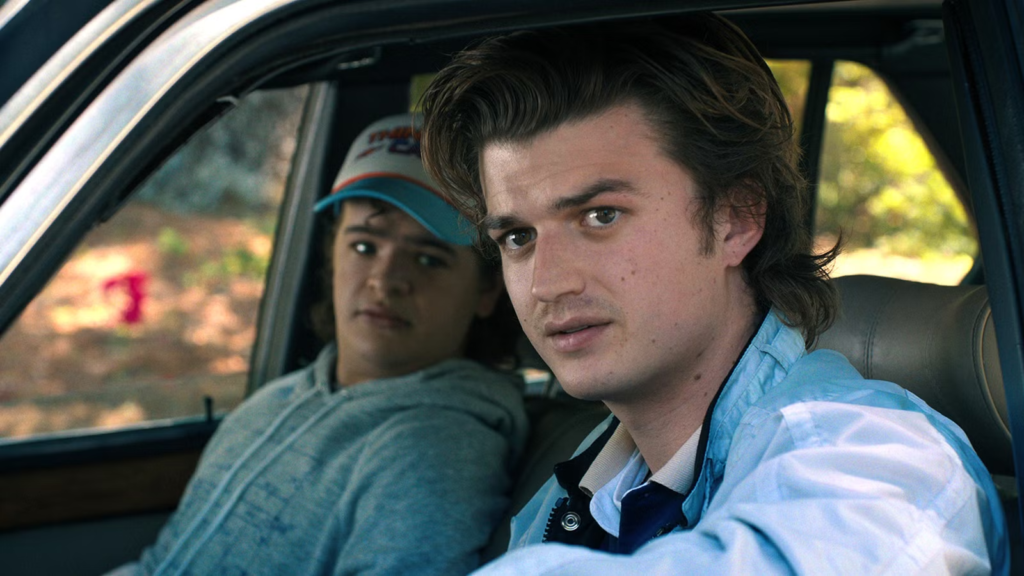
This is the relationship that saved Steve as a character.
Dustin needed an older brother figure who believed in him. Steve needed someone to remind him that being kind and protective matters more than being cool.
Their dynamic is pure joy. The secret handshake. The hair advice. The “son” and “dad” energy. The way they genuinely enjoy each other’s company.
Why it works: Neither needs anything from the other except friendship. Dustin doesn’t want Steve’s popularity. Steve doesn’t want Dustin’s approval. They just… care about each other.
That’s rare in media. Friendships across age gaps treated as equally valuable as romantic or peer relationships.
Steve and Robin: Platonic Soulmates
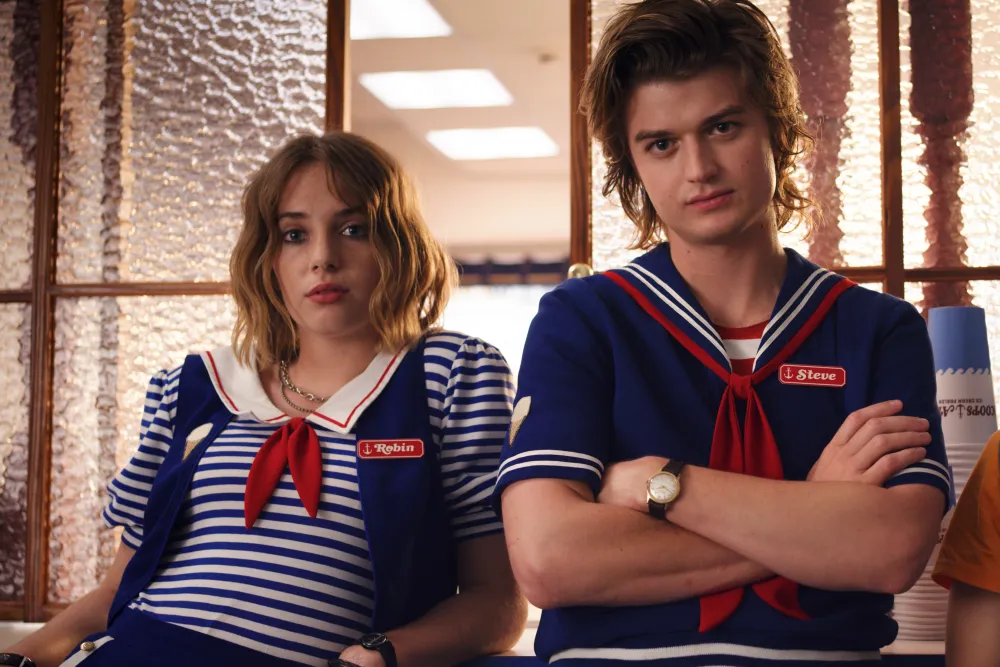
Robin and Steve’s friendship is the show’s most important relationship for one reason: it normalizes platonic intimacy between men and women.
They’re best friends. They love each other deeply. There’s zero romantic tension because Robin’s gay and Steve respects that completely.
They can be emotionally vulnerable with each other. Share fears and dreams. Be physically affectionate (holding hands while running from Russians). And none of it’s romantic.
That representation matters enormously. Men and women can be friends without sexual tension. Platonic love is real love. You can have a soulmate who’s not a romantic partner.
Steve and Nancy: The One That Got Away
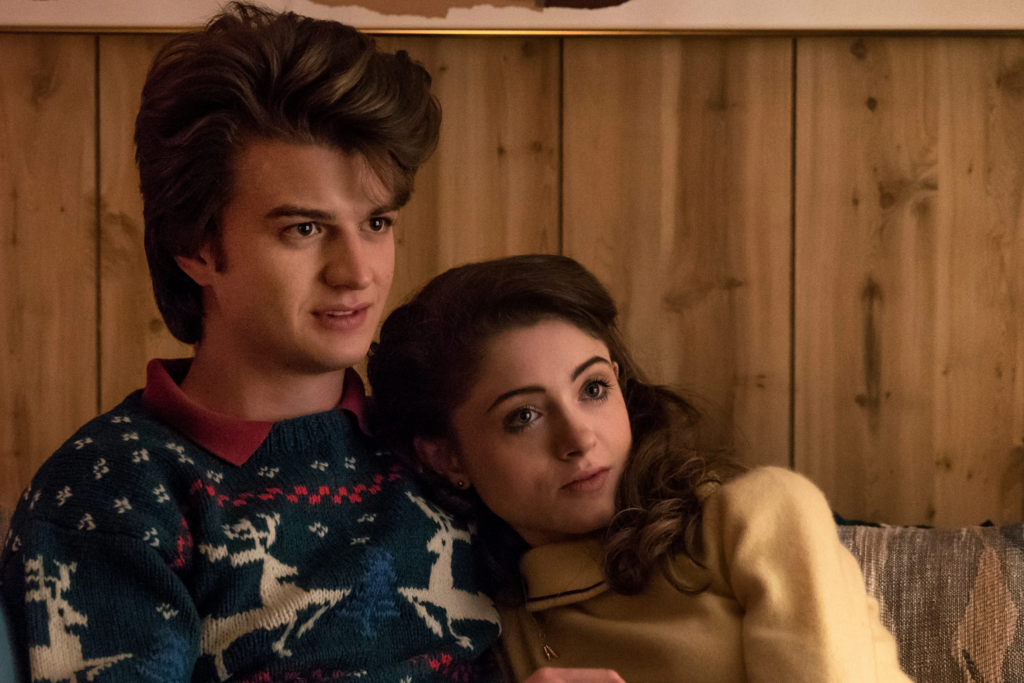
Nancy was Steve’s first real love. The relationship that made him want to be better.
Losing her forced growth. Steve had to figure out who he was when he wasn’t “Nancy’s boyfriend.” Had to build identity outside of relationships.
Their Season 4 tension showed they still care. Still have chemistry. But ultimately, Nancy choosing herself over reigniting their romance is healthy.
Steve learned: you can love someone and still be wrong for each other. You can want a future with someone who wants a different future. And that’s okay.
Steve and the Kids: Professional Big Brother
Steve’s relationship with the party evolved into something beautiful: he became everyone’s big brother.
Dustin: The favorite. The special bond.
Lucas: Advice and support during the Max situation.
Max: Protective but respectful of her independence.
Erica: Reluctant babysitting turned genuine affection.
Mike and Will: Less close but still protective.
Steve treats all of them like they matter. Like their problems are real problems. Like their feelings deserve respect.
That consistent care—even when it’s inconvenient, even when it’s dangerous—defines who Steve is.
Steve’s Combat Evolution: The Nail Bat Legend
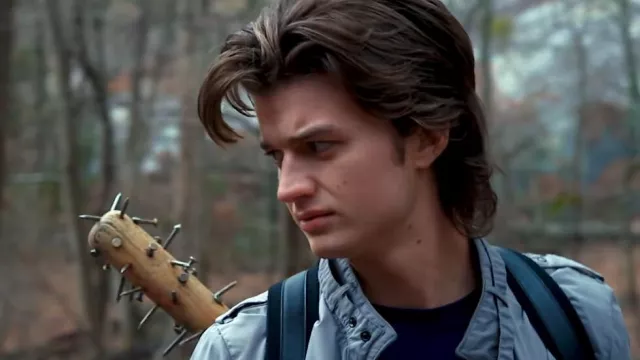
Let’s talk about Steve’s unlikely journey from unprepared teenager to competent monster fighter.
Season 1: Beginner’s Luck
Steve picks up the nail bat and swings. No training. No technique. Just adrenaline and desperation.
He survives more through luck than skill. The demogorgon leaves. Steve doesn’t die. That’s about the best you can say.
Season 2: Learning and Adapting
By Season 2, Steve’s more comfortable with the bat. His swings are more controlled. He understands spacing and timing better.
The junkyard fight shows improvement: Steve uses the bus for tactical advantage. Creates choke points. Protects the kids while managing his own safety.
He’s learning to fight smart, not just hard.
Season 3: Battle-Hardened
Season 3 Steve fights Russians and the Mind Flayer. He’s getting his ass kicked frequently, but he’s lasting longer in fights.
He’s learned to take hits and keep moving. Developed pain tolerance. Understands when to engage and when to create distance.
The Starcourt battle shows Steve working as part of a team. Coordinating. Covering for others. Not trying to be the hero—just trying to survive and protect.
Seasons 4-5: The Veteran
By the later seasons, Steve’s a genuinely capable fighter. Not superhuman, but competent.
He handles weapons confidently. Reads situations tactically. Knows his limitations. Works effectively with others.
The demobat attack in Season 4 shows both his capability (he kills several) and his limits (he gets severely injured). Steve’s strong, but he’s still human.
The Nail Bat as Symbol
Steve’s weapon is perfect symbolism: a normal baseball bat modified for monster fighting.
It’s not special. Not magical. Just a practical tool enhanced through necessity.
That’s Steve. Not special or chosen. Just a regular guy who modified himself through necessity into someone capable of protecting others.
The bat is iconic because Steve made it iconic. He could’ve used guns or fancy weapons. But Steve Harrington with a nail-studded baseball bat became the image of Hawkins’ unlikely protector.
Joe Keery’s Performance: The Charisma That Saved Steve
Let’s acknowledge what Joe Keery brought to this role.
Cast to Die, Stayed to Thrive
Keery auditioned for Jonathan originally. Didn’t get it. Got offered Steve instead—a smaller role that was likely getting killed off early.
The Duffer Brothers planned to kill Steve in Season 1. Standard horror movie logic: kill the jock boyfriend.
But Keery’s performance made that impossible. He brought too much likability. Too much depth. Too much potential.
So they kept him. And kept writing for him. And eventually built him into one of the show’s most important characters.
The Hair
Steve’s hair is a character in itself. Keery’s glorious locks became a running joke, a symbol, and genuinely important to the character.
Steve’s vanity about his hair is humanizing. He’s not above caring about his appearance. That vanity makes him relatable and funny without undermining his heroism.
The hair routine secrets he shares with Dustin. The way it gets progressively more destroyed as each season progresses. The fact that Steve maintains his hair care even during apocalypses.
It’s ridiculous and perfect.
The Comedy and Dramatic Range
Keery balances Steve’s comedy and drama seamlessly:
Comedy: The Scoops Ahoy uniform. The dating disasters. The bickering with Robin. The “son” dynamic with Dustin. Steve’s obliviousness to social cues.
Drama: The torture scenes. The emotional vulnerability with Nancy. The grief over lost friends. The exhaustion of constantly fighting.
Keery never lets one side overwhelm the other. Steve can be funny and deeply serious within the same scene. That range prevents the character from becoming cartoonish or one-note.
Physical Comedy and Action
Keery committed fully to Steve’s physical comedy—the ridiculous sailor uniform, the awkward flirting, the getting-his-ass-kicked moments.
He also handled the action sequences well. The fights look believable. Steve moves like someone who’s learned to fight through necessity, not training.
That physical commitment sells Steve as both comedic relief and genuine action hero.
Beyond Stranger Things
Keery’s built a successful music career with his band Djo while acting. He’s talked about being grateful for Steve while also wanting to explore other roles.
That balance—appreciating the role that made him famous while growing beyond it—mirrors Steve’s own journey. Both the character and actor learned you can honor your past while building your future.
Why Steve Harrington Matters
Steve represents something television needs more of: redemption through consistent small choices rather than one grand gesture.
Rejecting Toxic Masculinity
Steve’s arc is fundamentally about unlearning toxic masculinity:
Season 1 Steve: Defines himself through dominance. Needs to be the strongest, most popular, most sexually successful. Lashes out when threatened.
Season 5 Steve: Defines himself through care. Values his friendships with “nerdy” kids and a lesbian best friend. Comfortable being vulnerable and emotional.
That evolution models healthy masculinity: strength through protecting others, identity through values rather than dominance, emotional openness as courage rather than weakness.
The Value of Staying
Steve’s choice to stay in Hawkins—to coach baseball and teach sex ed and be exactly where he’s needed—challenges the “escape your hometown” narrative.
American culture tells teenagers: success means leaving. Getting out. Making it big somewhere else.
Steve’s ending says: sometimes success means staying. Investing in your community. Being the adult you needed when you were young.
That’s a radical message. And an important one.
Platonic Love as Valid Love
Steve and Robin’s friendship validates platonic love as equal to romantic love.
He’s not secretly in love with her. She’s not his consolation prize. They’re genuinely, platonically in love as friends.
That representation matters for:
- Men learning they can have emotionally intimate friendships with women without romance
- LGBTQ+ people seeing their friendships with straight people portrayed without constant “will they/won’t they” tension
- Everyone understanding that platonic soulmates exist
The Babysitter as Hero
Steve transformed from popular jock to “the babysitter”—a nickname that could be mocking but became affectionate.
He embraced being the caretaker. The protector. The dad friend. Roles traditionally coded as feminine or unmasculine.
Steve’s comfort with that identity—never defensive about being called “mom” or “babysitter”—shows that caregiving is heroic regardless of gender.
My Take After Nine Years
I’ve spent nearly a decade watching Steve Harrington evolve from disposable jock to the character I’d most want in my corner during an apocalypse.
And here’s what stands out most about his journey:
Steve never had a dramatic “I’ve changed” moment. No speech about being different. No grand gesture proving his redemption.
Just consistent small choices. Ditching toxic friends. Apologizing when wrong. Showing up for people who needed him. Protecting kids. Being vulnerable with friends. Staying when leaving would’ve been easier.
Real change looks like Steve’s arc: incremental growth through thousands of small decisions to be better than you were yesterday.
Steve Harrington started as King Steve, the popular kid everyone remembers from high school.
He ended as Coach Steve, the adult everyone wishes they’d had looking out for them.
That transformation—from performing for approval to being authentic without apology—is the most aspirational character journey in Stranger Things.
And honestly? In a show full of superpowers and interdimensional horror, Steve’s very human journey from jerk to hero might be the most magical thing about it.
Steve Harrington: Complete Journey Explained
From King Steve the popular jerk to Coach Harrington mentoring the next generation—Steve’s nine-year transformation proves that real heroism is choosing to be better every single day, even when nobody’s watching.
The Actor Who Brought Steve to Life
About It’s Netflix Nerd
This deep character analysis was brought to you by It’s Netflix Nerd, where I’ve been obsessing over Stranger Things since Steve first swung that nail bat. I break down every character arc, analyze every thematic choice, and help you understand why these stories matter beyond the monsters and special effects.
Want more Stranger Things character breakdowns? Check out It’s Netflix Nerd for complete analyses built on years of actually caring about these characters’ journeys.