

The gates are sealed. Hawkins survived. And after nine years, Stranger Things is actually over.
I’ve covered this show since Mike found Eleven in the woods back in 2016. Analyzed every season premiere. Debated every character choice. Watched these kids grow up fighting monsters across what feels like multiple lifetimes compressed into half a decade of our time.
The Season 5 finale didn’t just end a show. It closed a chapter on Netflix’s most important original series—the one that proved streaming could create cultural phenomena, that nostalgia could fuel prestige television, that kids fighting interdimensional horror could matter to millions of people simultaneously.
Let me break down how Matt and Ross Duffer wrapped up their magnum opus, why the ending works despite its imperfections, and what this finale means for everyone who spent nine years invested in Hawkins, Indiana.
The Final Battle: Controlled Chaos Across Three Fronts
The Duffers structured their climax like a military operation—three teams, three objectives, one desperate gamble that everything would work.
The Diversion Squad sent Steve, Nancy, and Robin into the Upside Down’s core—the Abyss—to draw Vecna’s attention. Classic suicide mission energy. These three have been the show’s unlikely action heroes since Season 1, and watching them charge into literal hell one final time felt earned. Nancy unloading shotgun shells into Vecna while Steve and Robin provide cover is the visual summary of what Stranger Things became: ordinary people with conventional weapons refusing to let monsters win.
The Bomb Squad placed Hopper, Murray, and Joyce at the main gate with exotic matter charges. The tension here is pure Stranger Things—will they detonate in time? Will someone sacrifice themselves heroically? The show kept us guessing until the last possible second. Joyce wielding an axe while Hopper handles explosives and Murray provides running commentary is perfect character utilization. These adults earned their hero moments.
The Psychic Core battle between Eleven, Will, Kali, and Vecna represents the show’s emotional center. This isn’t about physical combat—it’s about willpower. About El’s journey from lab weapon to person who chooses love over power. About Will finally weaponizing his trauma connection. About Kali redeeming her Season 2 introduction by sacrificing herself so El could escape.
Kali taking Lt. Akers’ bullet meant for El hits devastatingly hard. The sister El barely knew gave everything so El could finally live free. That sacrifice bought the seconds they needed for Joyce to land the killing axe blow on Vecna—poetic justice for the mom who moved literal dimensions to save her son.
Then the exotic matter bombs detonated. The Upside Down collapsed. Dr. Kay’s military pursuit died in the rubble. Every threat from every dimension finally neutralized.
After five seasons of escalating horror, the Duffers chose definitive victory. No ambiguous “the monster might return” ending. No post-credits tease. Just closure.
The 18-Month Epilogue: Where Everyone Landed
This is where the finale transcends typical series endings. Instead of quick snapshots, we get substantial time jump showing who these characters became rather than just where they ended up.
Eleven’s “death” being Kali’s final illusion is the twist that recontextualizes everything. Mike’s D&D narration revealing El alive by a secluded waterfall—hidden from the world that would never stop needing her to save it—is heartbreaking and perfect. El spent nine years being needed. Her reward is finally getting to just be. No powers defining her. No obligations. Just Jane Hopper existing peacefully somewhere the world can’t find her.
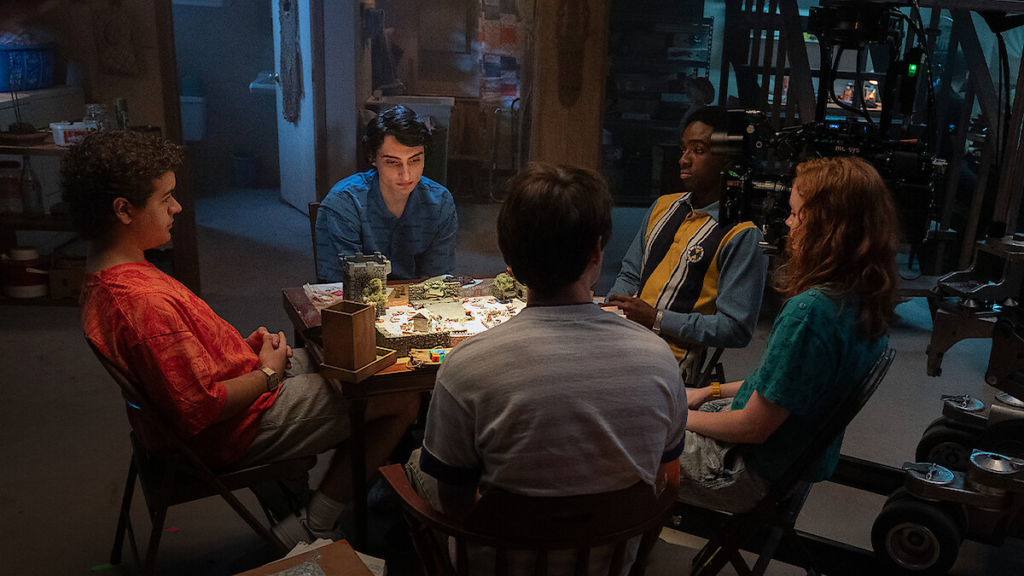
Mike becoming the narrator completes his arc beautifully. He’s not the party leader anymore—Holly is, running D&D for the next generation. Mike’s the storyteller now, passing down their legend while guiding new adventurers. His final basement campaign with Holly as DM shows: the greatest power was never fighting monsters. It was making people believe they could.
Will choosing NYC art school after spending five seasons defined by his Upside Down trauma feels like watching someone finally exhale after holding their breath for years. He weaponized his connection to defeat Vecna, then left it behind for creativity and love in the West Village. The boy on the missing poster became the artist painting his own future.
Steve buying Eddie’s house and coaching at Hawkins High is the ending King Steve deserved but never expected. No romantic resolution. No escape to bigger dreams. Just roots. Purpose. Being exactly where the next generation needs him. The babysitter became the permanent dad, and it’s perfect.
Lucas and Max settled in a small town after Max’s miraculous recovery from Vecna’s curse. No grand adventure. Just quiet love between two people who survived hell and chose simple happiness together. After everything they endured, that ordinary life is the greatest victory.
Nancy at the Hawkins Herald instead of Emerson College shows she chose authenticity over prestige. Real journalism over theoretical education. Truth-seeking as career, not just survival mechanism.
Jonathan at NYU filming anti-capitalist documentaries means he finally chose himself. The parentified teenager who sacrificed everything for family gave himself permission to pursue art and education three thousand miles away.
Robin thriving at Smith College with monthly meetups maintaining her core friendships proves platonic soulmates survive geographic distance. Her ending focuses on education and chosen family rather than romantic resolution—refreshing for queer character whose coming out was major plot point.
Hopper and Joyce engaged in Montauk represents earned peace. Two people who literally died and came back get their quiet coastal retirement. After Russian gulags and interdimensional nightmares, they get boring happiness. Finally.
Why This Ending Works (Mostly)
The Duffers made bold choice: everyone lives. In show about kids fighting monsters, where major characters died every season, the core party all survived.
That could feel cheap. Plot armor protecting favorites from consequences. But Stranger Things earned its happy endings through cumulative trauma. These characters paid enough. Lost enough. Suffered enough. Letting them survive and find peace isn’t cowardice—it’s mercy.
The bittersweet element comes from separation. They won. They survived. But they’re scattered now. Different cities. Different lives. The party that saved the world together won’t be together daily anymore. That’s realistic—growing up means growing apart, even when bonds remain strong.
El’s ambiguous fate provides perfect tension. She’s alive but unreachable. Safe but isolated. Free but alone. That’s not traditional happy ending. It’s complicated resolution for complicated character who spent nine years being everyone’s salvation.
The torch-passing to Holly and her generation shows the Duffers understand: stories don’t end, they echo. Hawkins will always have weird happenings. The difference is now there’s institutional memory. Kids who know monsters are real and friendship is the weapon that defeats them.
What the Finale Says About Stranger Things’ Legacy
This ending prioritizes character over spectacle. The final battle is impressive, but the epilogue is what matters. Showing us where everyone landed. Giving each person their specific, earned conclusion.
That’s what separated Stranger Things from typical genre television. It never forgot these were people first, characters second. The monsters mattered because of who they threatened, not because they were cool creature designs.
The finale validates nine years of investment. You cared about Mike and El’s relationship? Here’s their bittersweet but hopeful resolution. You loved Steve’s transformation? He gets to mentor the next generation. You wanted Max to recover? She’s skating again.
Not every thread gets tied. Murray vanishes mysteriously. Some questions go unanswered. The Upside Down’s origins remain partially unclear. But that’s okay. Real life doesn’t resolve every subplot. Sometimes mystery persists.
My Take After Nine Years
I started covering Stranger Things when I was younger. Different life. Different world. The show grew up alongside its audience, which is rare and special.
The finale isn’t perfect. Some character arcs get more attention than others. The pacing occasionally drags. Certain resolutions feel rushed while others luxuriate in their conclusions.
But perfection isn’t the goal. Honoring the journey is.
The Duffers honored these characters. Gave them endings that reflected their growth. Let them survive and find purpose and choose futures that fit who they became rather than forcing them into predetermined boxes.
After nine years of gates and monsters and “friends don’t lie” and Christmas lights and Eggos and nail bats and “Running Up That Hill” and countless moments that defined a generation’s relationship with television, Stranger Things ended by saying: the real magic was always the people.
The kids who refused to give up. The mom who moved mountains. The reformed jock who became everyone’s protector. The outcast who found belonging. The girl who learned she was more than her power.
That’s the legacy. Not the demogorgons or the Mind Flayer or the Upside Down mythology. The reminder that ordinary people facing impossible odds can win through love, loyalty, and stubborn refusal to let darkness have the final word.
Roll for initiative one last time. The campaign’s over. But the story—the real story about what these characters meant—continues every time someone presses play on Season 1, Episode 1.
The game is worth playing. Always.
Stranger Things Season 5 Finale: Complete Analysis
After 9 years, the Duffers delivered an ending that prioritized character over spectacle, showing us who these people became rather than just how the battle ended—and that’s exactly what the show always needed.
About It’s Netflix Nerd
This finale analysis was brought to you by It’s Netflix Nerd, where I’ve been obsessing over Stranger Things since that first night Mike found El in the woods. I break down every ending, analyze every choice, and help you understand why these stories matter beyond the monsters and special effects.
Want more Stranger Things coverage and Netflix analysis? Check out It’s Netflix Nerd for deep dives built on years of actually caring about these stories.