
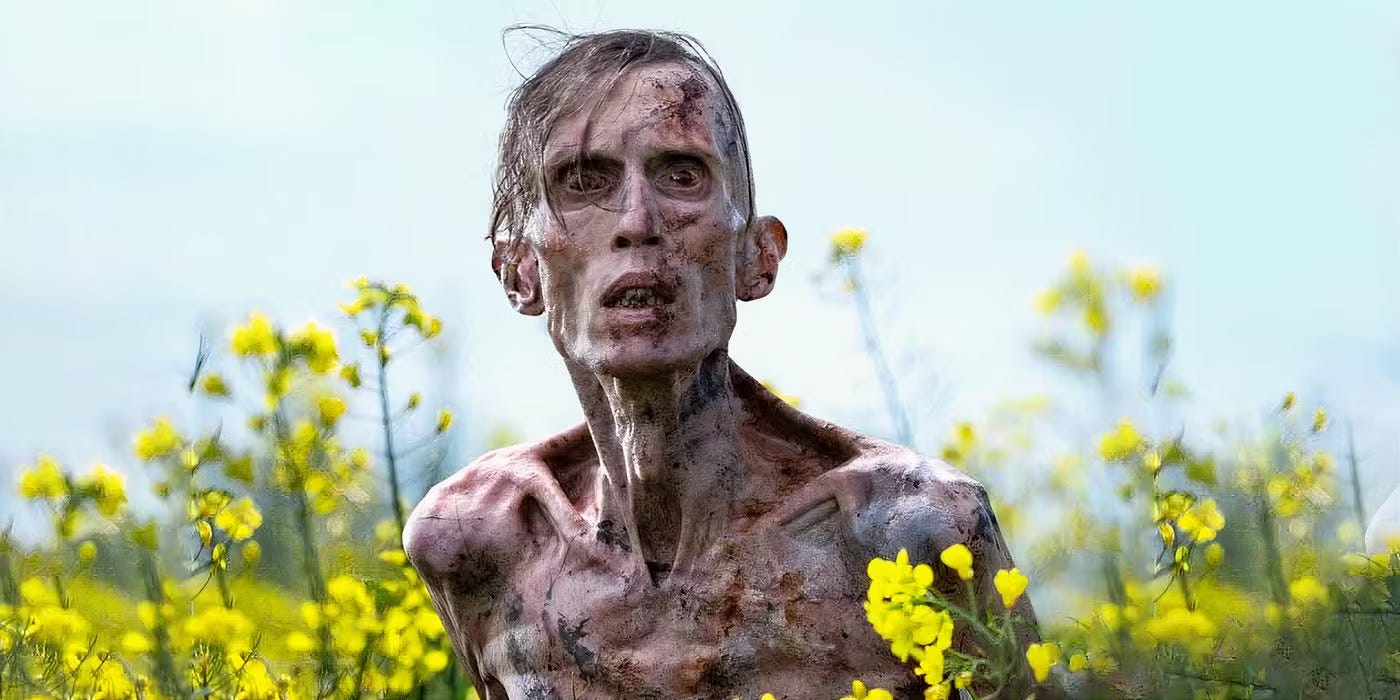
Netflix’s Top 10 is built on momentum, and right now, one film is gaining it fast.
28 Years Later: The Bone Temple, the latest chapter in a defining post-apocalyptic franchise, has quickly climbed into the streamer’s most-watched list following its March 31 debut. It did not arrive with the same level of marketing noise as some blockbuster releases, but its performance suggests strong word-of-mouth and built-in audience demand.
For a franchise that has consistently delivered grounded, unsettling horror, this kind of response is not surprising. What is notable is how quickly it has translated into streaming success.
28 Years Later: The Bone Temple – A Franchise Built on More Than Just Horror
To understand why this sequel is connecting, it helps to look at the legacy of the 28 Days Later series.
Beginning with 28 Days Later from Danny Boyle and Alex Garland, the franchise redefined infection-based storytelling. It traded traditional zombie tropes for something more immediate and unsettling: a world where collapse happens fast, and survival depends as much on human decisions as external threats.
That creative DNA has carried through every installment. The infected may be the catalyst, but the real focus has always been people.
What’s Different This Time
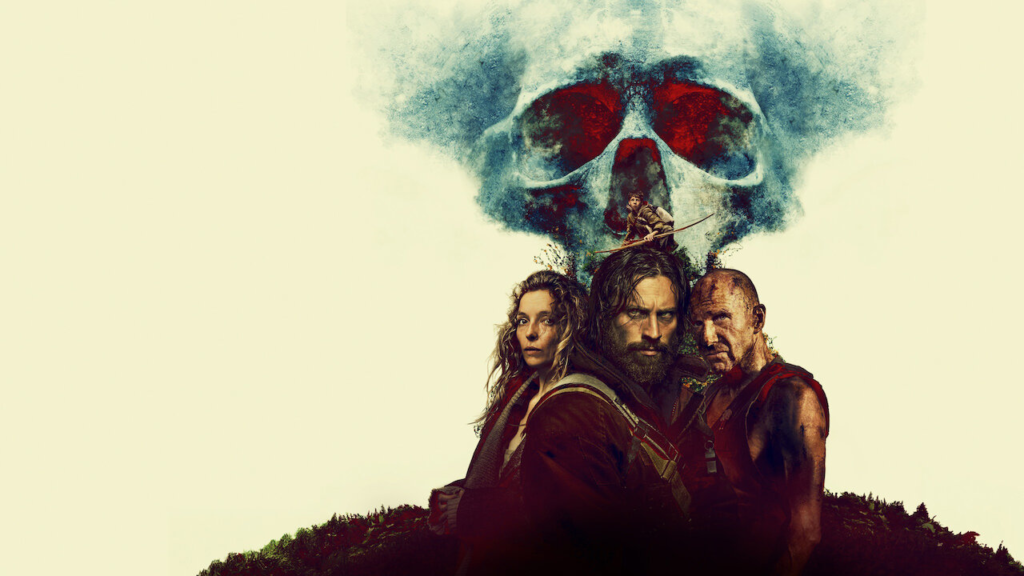
Directed by Nia DaCosta and written by returning architect Alex Garland, The Bone Temple builds on 28 Years Later but shifts the tension in a notable way.
This is not just another survival story.
The film centers on Spike, a character who has never known a world without the Rage Virus. His reality is shaped not just by infection, but by what society has become in response to it. That perspective allows the film to explore a more evolved kind of conflict.
Instead of focusing purely on infected hordes, the story introduces a cult known as the Fingers. Led by the volatile Sir Lord Jimmy Crystal, the group imposes order through fear, ritual, and violence. It is a deliberate pivot toward human-driven horror, and it gives the film a more psychological edge.
Two Storylines, One Unsettling Question
Running parallel to Spike’s journey is the story of Dr. Ian Kelson, played by Ralph Fiennes.
Kelson represents a different response to the apocalypse. Where others adapt or survive, he studies. His work focuses on the long-term effects of the Rage Virus, particularly through an Alpha Infected who appears to show signs of lingering humanity.
This dual structure does more than expand the narrative. It reframes the central question of the franchise: not just how people survive, but what remains of them when they do.
Performances That Anchor the Chaos
A film like this depends heavily on its cast to sell both the scale and the intimacy of its story.
Alfie Williams returns as Spike, grounding the film with a performance that reflects both resilience and uncertainty. Opposite him, Ralph Fiennes brings a controlled intensity that elevates the film’s more introspective elements.
Supporting turns from Jack O’Connell, Erin Kellyman, and Emma Laird help create a world that feels lived-in, volatile, and constantly on the brink.
Why Netflix Viewers Are Showing Up
The film’s rapid climb into the Top 10 points to a broader trend in streaming.
Audiences are not just looking for horror. They are looking for horror that offers something more.
The Bone Temple delivers on that expectation by combining:
- A recognizable, trusted franchise
- A shift toward character-driven conflict
- A darker, more reflective tone
It is a balance that makes the film accessible while still feeling distinct. That is often the difference between a title that debuts and one that sustains momentum.
Stream It While It’s Available
28 Years Later: The Bone Temple is now streaming on Netflix, alongside 28 Years Later.
As with many licensed releases, Netflix has not confirmed how long either film will remain on the platform. For viewers interested in catching up with the franchise or jumping in fresh, the current window is the time to do it.
Check out It’s Netflix Nerd for our latest reviews, updates, release news, and information about Netflix movies and series.